WineAndTech’

Tag: -30€

  • Discovering Saint-Émilion with Château Franc La Rose

    Discovering Saint-Émilion with Château Franc La Rose

    “The wine of Saint-Émilion is a symbol of French excellence, a wine that embodies tradition and innovation, passion and patience.” – François Hollande

    Jean-Louis Frouinard bought the estate in 2006, with the aim of producing a wine of great quality while respecting the environment and the traditions of the Saint-Émilion region.

    Château Franc La Rose uses around 70% Cabernet Franc and 30% Merlot. The wine is vinified in stainless-steel vats before being aged in French oak barrels for 12 months.


    On the nose, it gives off a lovely woody blackcurrant.

    On the palate, the wood is ample and dominant, but I personally very much enjoyed the balance that emerges. The red fruits aren’t, to my mind, quite so omnipresent — contrary to what I’ve read elsewhere.

    The mark left by this wine is nonetheless subtle and lightly pronounced; then, as if to remind you that it’s a lord of Saint-Émilion, a little touch of acidity comes along to wake up your palate.

    You will have to wait, though, for it to express itself a little more — you can feel it’s holding back. Keep it in the cellar and let your patience be rewarded by this lovely cru.

    At around €20, this wine offers interesting value for money. It’s one of my favourites — I love this wine.

    Note: The label is particularly well crafted, with roses highlighting the wine’s name. I love it…
  • Power Can Sometimes Be Disconcerting…

    Power Can Sometimes Be Disconcerting…

    “The wines of Rioja Alta are refined wines, with a great tannic structure and a persistent finish.” – Wine Spectator

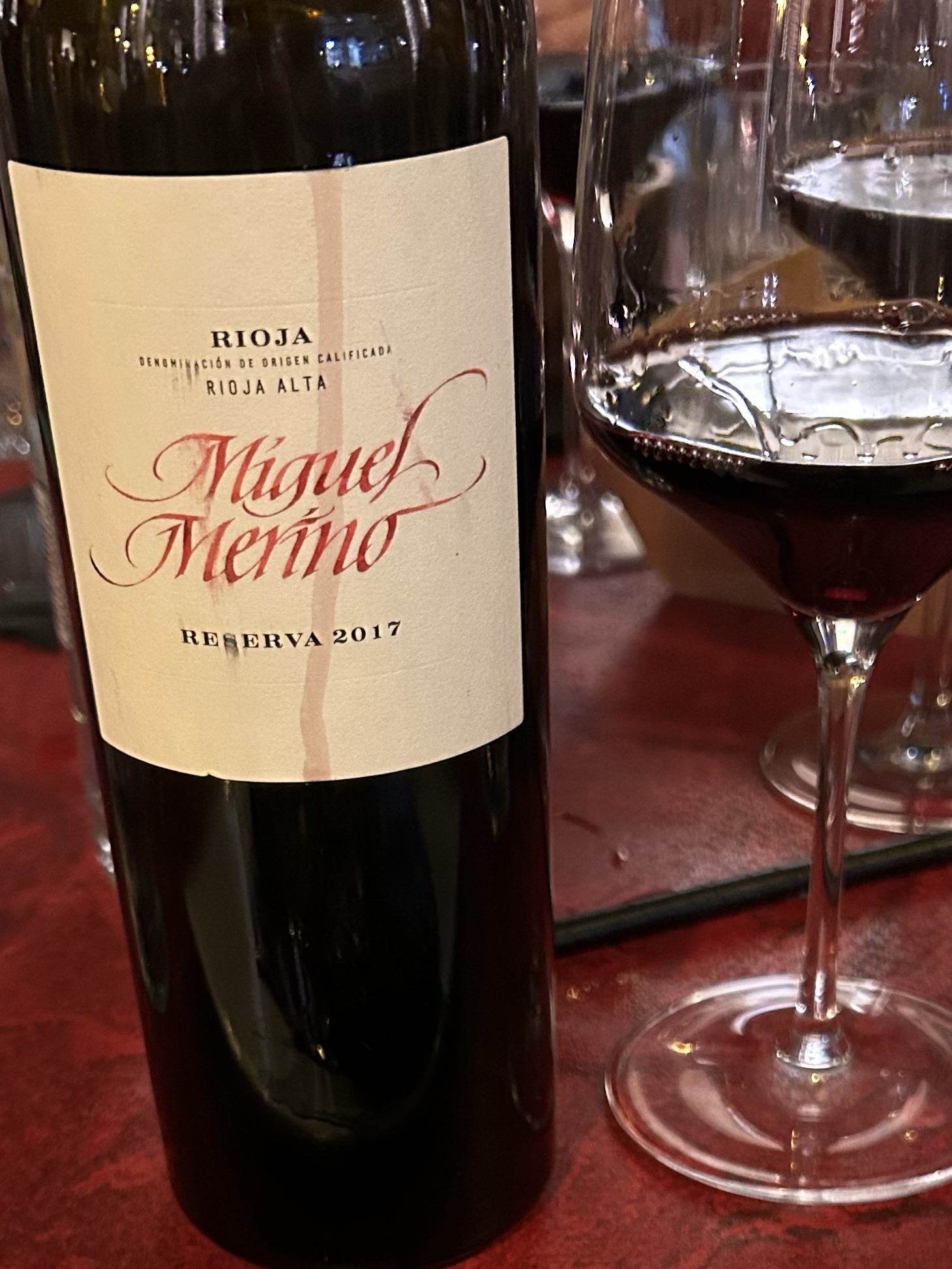
    Miguel Merino – Reserva 2017 El Barrio Luxembourg

    A pleasant place, an excellent meal, and then comes the choice of wine: one of my friends picks a Spanish one, which delights me.

    A Rioja — more precisely, a Rioja Alta.

    The Miguel Merino estate was founded in 1994 and is located in the village of Briones. The vineyard covers around 25 hectares and is planted mainly with Tempranillo, with a few plots of Graciano and Viura for the white wines.

    Miguel Merino’s red wines are crafted with care and aged in French and American oak barrels for periods of up to 24 months.

    Let’s taste this wine!

    The nose is woody and spicy, on aromas of tobacco. It doesn’t reveal itself easily and I struggle to make out anything else. I’m expecting powerful tannins.

    This 2017 is out of the ordinary, disconcerting — I lose my palate over it, I can’t break this wine down, and I have to admit I’m lost. It’s a strong wine that will, I think, leave you as it left me: particularly frustrated, lost in its complexity.

    Miguel Merino has won! He’s won the bet of making a wine that’s good, powerful, and that will teach you a fine lesson in humility.

    At under 30 euros, you’ll need to give it a fine plate of meat to do justice to that balance. A wonderful discovery!

  • Reignac, Quite a Story

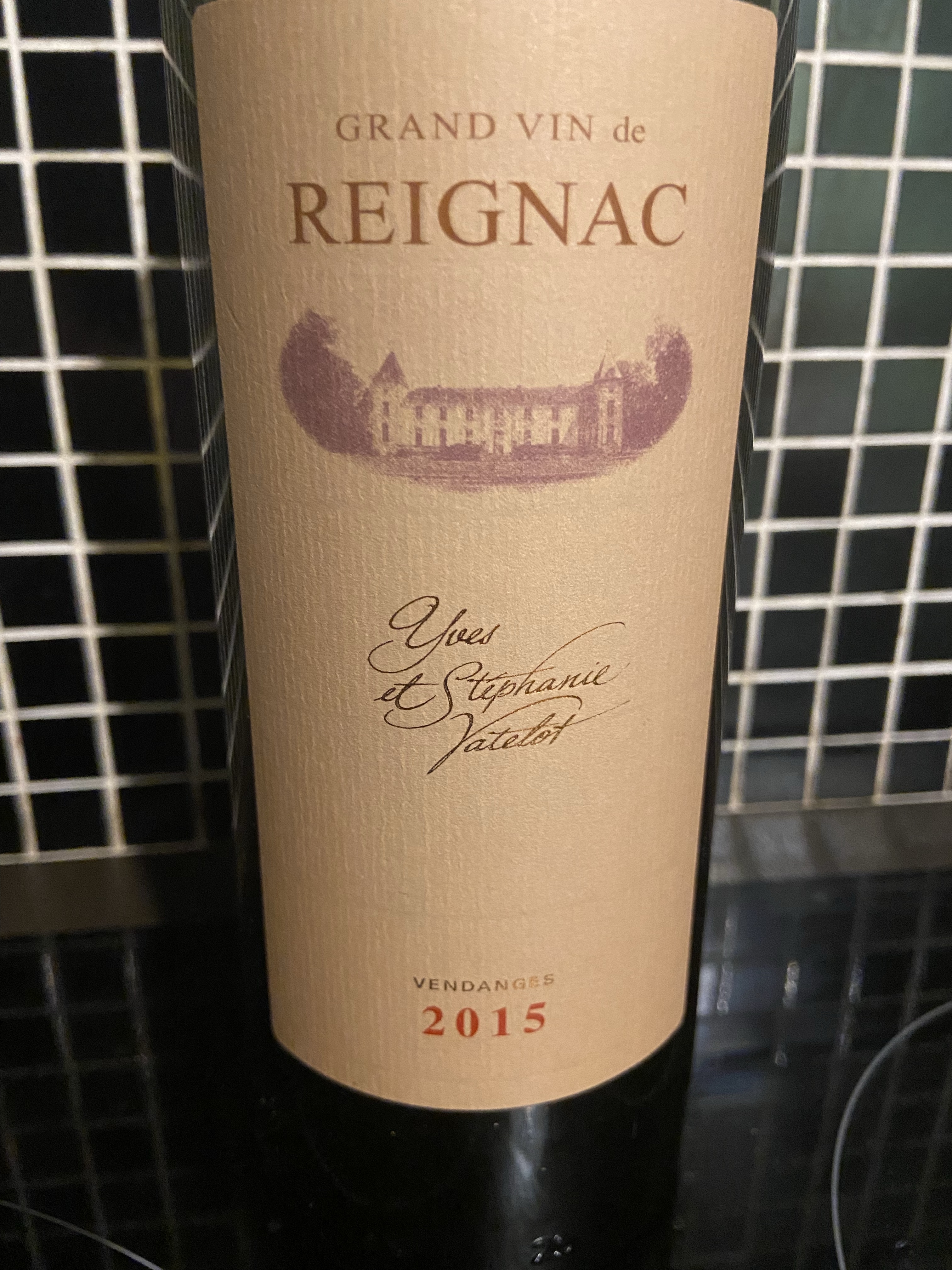
    Reignac, Quite a Story

    “Château de Reignac is a wine of great complexity, revealing subtle aromas of red and black fruit, liquorice and spice. On the palate it is ample and structured, with silky tannins and a lovely length on the finish.” – Robert Parker

    Château Reignac is a château located in the Bordeaux Supérieur appellation, on the right bank of the Garonne, in the Gironde département of France.

    The Château Reignac estate covers around 200 hectares, of which 65 hectares are vines planted on clay-limestone slopes. The varieties grown are mainly Merlot (75%), Cabernet Sauvignon (20%), Cabernet Franc (3%), with Petit Verdot (2%) completing the blend. The vineyard is farmed using environmentally friendly methods and the production has been certified organic since 2010.

    Château Reignac produces wines of great quality, often compared to grands crus classés.

    One particularly remembers the tasting that caused a stir in 2009:

    The wines are aged in French oak barrels for 12 to 18 months, depending on the vintage. Château Reignac’s reds are renowned for their balance, their aromatic complexity and their ageing potential.

    Château Reignac also has a rich and fascinating history. The present château dates from the 18th century and was built on the ruins of a medieval fortress. The estate was bought in 1990 by Yves Vatelot, who undertook major renovation and modernisation work to restore the château and the vineyard to their full splendour.

    Today, Château Reignac is open to visitors, who can explore the estate, tour the château and taste its wines.

    On to the tasting:

    A dark robe — it makes it clear that the tasting will be an interesting experience and that we should expect a strong wine.

    On the nose it’s an explosion: spice and red fruit come pouring out.

    On the palate the spices are well and truly present and, straight away, the roundness of the aromas floods the palate. The tannins are powerful — the robe and its scent had warned us, after all! There’s no little spike of acidity, which sometimes bothers me; the balance on the palate is all the more controlled, and I have the feeling this point has been worked on with particular care.

    Spices and a characteristic length, all in perfectly mastered balance, undoubtedly make it a great wine. At under €30, this wine will surprise your friends.

  • Rupert & Rothschild Also Means White Chardonnay

    Rupert & Rothschild Also Means White Chardonnay

    “The Rupert and Rothschild Chardonnay is a wine of great elegance, combining the richness of Chardonnay with a lovely acidity, for a harmonious and balanced result.” – Wine Spectator

    The Rupert & Rothschild Baroness Nadine Vintage is indeed a white wine produced from Chardonnay grapes grown in the Western Cape wine region of South Africa. It’s a very elegant white, and that rolled presentation sheet makes for a striking piece of theatre when you open the case.

    It’s aged in French oak barrels for around 10 months, which gives it a unique texture and a long, persistent finish.

    That robe of a mineral yellow, yet lightly brilliant as if to announce its noble origins, is itself very elegant. This robe has had every attention lavished on it — that much is obvious.

    The nose is discreet, balanced. For my part I pick out a touch of hazelnut and walnut in a second wave.

    It’s ample through its length, to which a touch of acidity is added — but the spices discreetly dominate the race and bring the whole thing nicely into balance.

    Characteristic final aromas appear in a subtle blend of vanilla and wood. The oak barrels certainly have something to do with it.

    Personally I love this wine as an aperitif, lightly chilled, but of course it can also accompany seafood in all its forms, or a fine poultry dish.

  • The Portuguese Commands Respect…

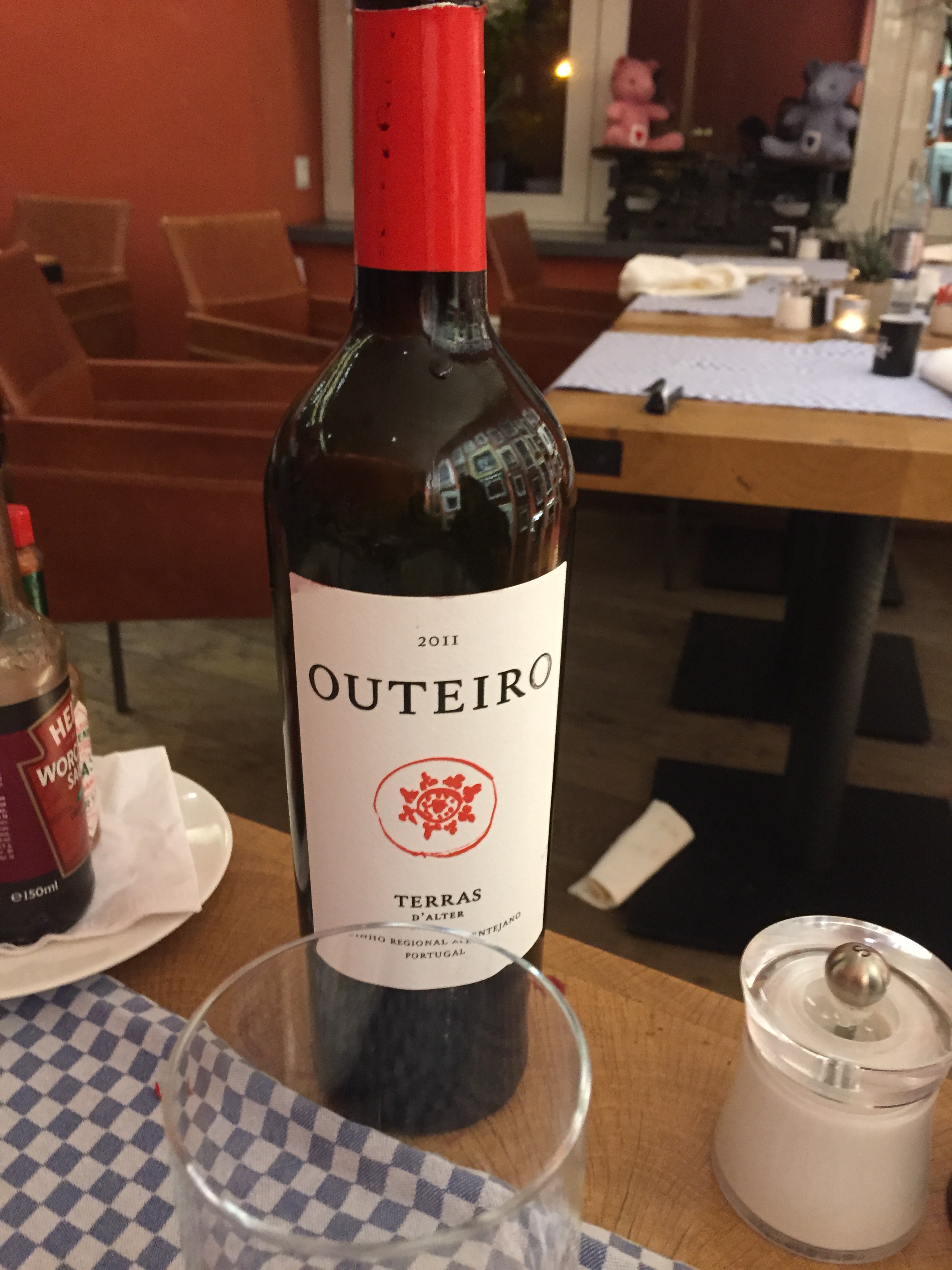
    The Portuguese Commands Respect…

    “Terras d’Alter is a wine that never stops impressing, with its depth, its complexity and its long finish. A wine that bears witness to the commitment and passion of the Alentejo’s winemakers.” – Wine & Spirits

    Outeiro Terras d’Alter 2011 is a Portuguese red wine produced in the Alentejo region, in southern Portugal. This region is renowned for the quality of its red and white wines, as well as for its rolling landscapes and its olive groves.

    This wine is made from the Alicante Bouschet, Aragonez, Trincadeira and Syrah varieties, grown in vineyards at an altitude of around 400 metres above sea level. The grapes are hand-harvested and carefully sorted so that only the best are selected.

    The Outeiro Terras d’Alter 2011 is then aged in French oak barrels for 12 months, which gives it subtle notes of vanilla, cedar and spice.

    The tasting:

    I’ll be honest with you: I can’t quite remember this wine precisely. But it surprised me — all the more so as I tasted it back in 2015. I didn’t know Portuguese wines and, during a meal at a restaurant, having a Portuguese friend with me, I wanted to please her by ordering this wine.

    What a slap in the face I took! Full-bodied, balanced, length, robe — every box ticked. As a Bordelais by blood, I could only concede defeat and award this wine a prize for excellence.

  • E. Guigal Propels Saint-Joseph Among the Greatest

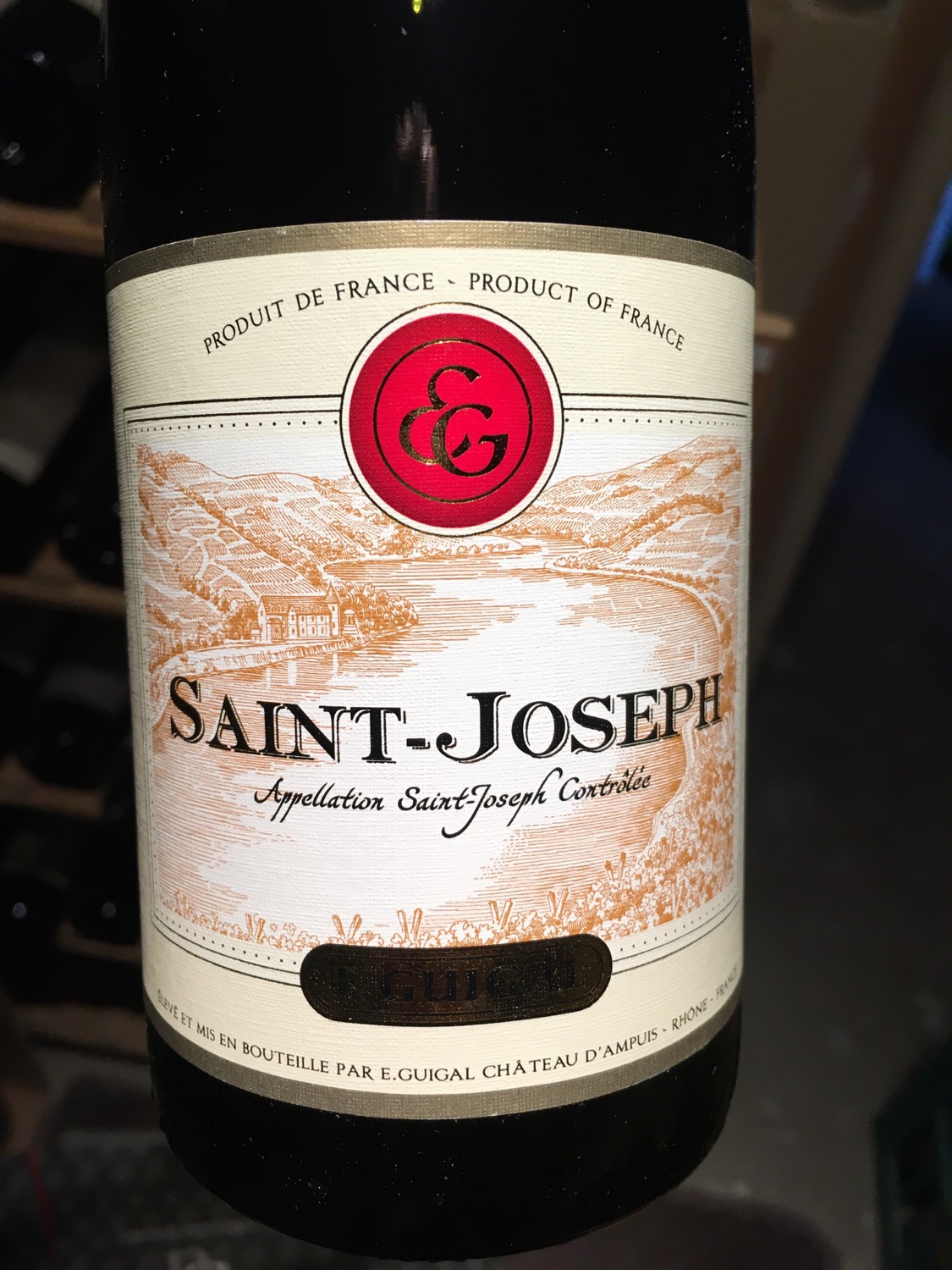
    E. Guigal Propels Saint-Joseph Among the Greatest

    “Saint-Joseph is one of the finest jewels of the Rhône vineyard, a powerful and generous wine that expresses the richness of its terroir with great finesse.” – Robert Parker

    The Guigal house is one of the most famous and respected producers in the Rhône Valley, in France. Founded in 1946 by Etienne Guigal, the house is today run by his son, Marcel Guigal, and his grandson, Philippe Guigal.

    The Guigal house produces a wide variety of Rhône Valley wines, from whites to reds, taking in rosés. Its vineyards are located in the most prestigious appellations of the Rhône Valley, notably Côte-Rôtie, Hermitage, Saint-Joseph, Crozes-Hermitage, Condrieu and Châteauneuf-du-Pape.

    Today I’ve decided to tell you about the Saint-Joseph. But I’ll certainly tell you about many others, because this house is exceptional.

    This Guigal is special because it was one of the first “Saint-Josephs” I had the chance to taste. Why is it so special? Certainly because that day I was surrounded by my loved ones around a good table. It took no more than that for it to stay etched in my memory forever.

    I often say it to those who join me: “the best of wines is the one I drink with you”!

    Off we go to the tasting

    It’s produced from Syrah grapes and is characterised by its aromas of red fruit and spice.

    Its robe is silky and elegant, with a delicate scent.

    On the palate it’s very balanced, with a persistent length, for this 2019 that served as my benchmark. We’re going to let it age a little longer and we’ll see in a few years, but I’m not too worried about the outcome — it will wait for us too.

    And for those who’ve read to the end: no, I haven’t made a mistake — I am indeed talking about the Saint-Joseph Rouge, because it also exists in white, made from Marsanne and Roussanne grapes. I hope to taste it soon and tell you about it.

  • This Pinot Gris Is MAGNIFICENT!

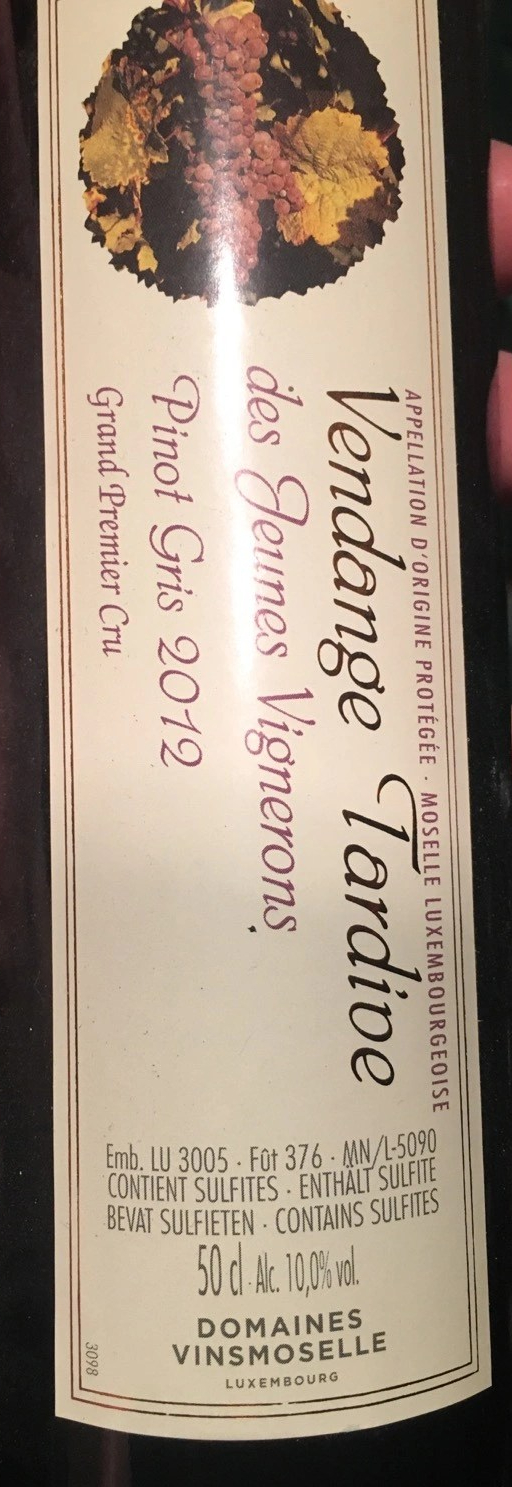
    This Pinot Gris Is MAGNIFICENT!

    Domaines Vinsmoselle is a wine producer located on the border between France, Luxembourg and Germany. The estate is on the Luxembourg side of the Moselle. Here we are again near Remich.

    Domaines Vinsmoselle produce a wide variety of wines, from dry white to full-bodied red, taking in sparkling and dessert wines. The wines are produced from grapes grown on the steep slopes that line the Moselle river. The region’s unique terroir, characterised by slate-rich soils and optimal sun exposure, gives the wines a distinctive and complex character.

    I’m always amazed by the richness of their catalogue: with some 200 winegrowers tending the vine along the Moselle between Wasserbillig and Schengen — on almost two-thirds of Luxembourg’s arable land — this cooperative is the Grand Duchy’s largest producer of wine and crémant.

    The estate also offers guided tours of its cellars and vineyards, as well as wine tastings. You can learn more about the winemaking techniques used by the estate, and about the history of the Moselle wine region. Book here.

    On to the tasting

    What struck me about this wine was, above all, the first look. With this slender, elongated 50 cl bottle, the estate wants to impress us and assert its elegance. We’re dealing with an exceptional nectar, and we’re being told so.

    The Pinot Gris Vendanges Tardives has a deep, brilliant golden robe; its colour is extraordinary, the gold shining a thousand lights.

    With an intense, complex nose of honey and spice, you could smell it for hours; with that robe I didn’t want to deprive the glass of contents of such beauty.

    On the palate, the wine is rich and round, with a perceptible sweetness well balanced by a lively acidity that brings lovely freshness. At a price of around €25 for 50 cl of this brew, every drop counts.

  • The Wonderful Blend of South Africa and the Médoc…

    The Wonderful Blend of South Africa and the Médoc…

    The Rothschild empire couldn’t resist the call of African soil — and I understand them.

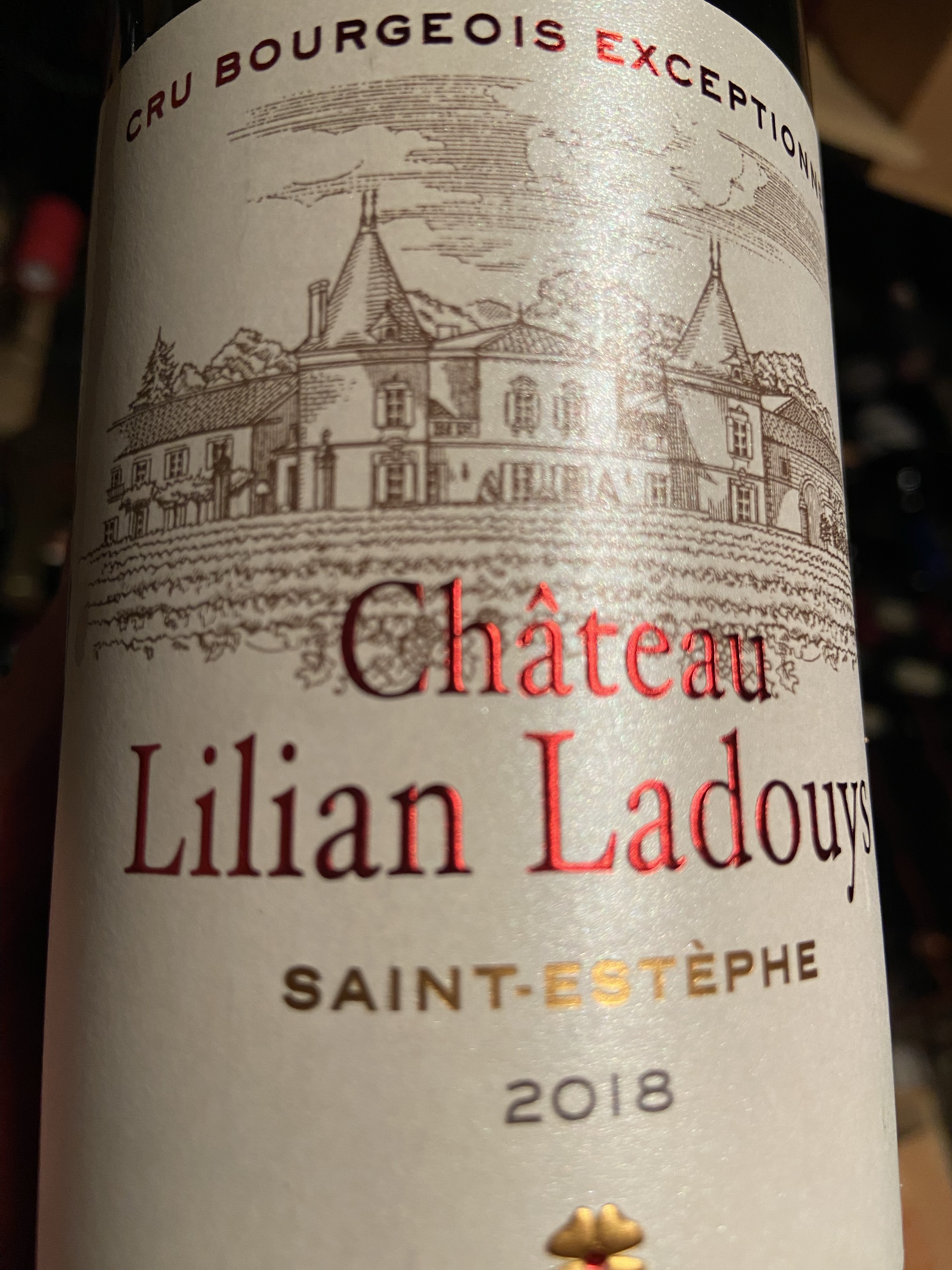
    It’s very surprising to see Listrac and South Africa on the same label; it’s a little disconcerting.

    Label aside, you’ll have gathered that I enjoyed this wine — though make no mistake, there’s little of Listrac in this bottle.

    A little history:

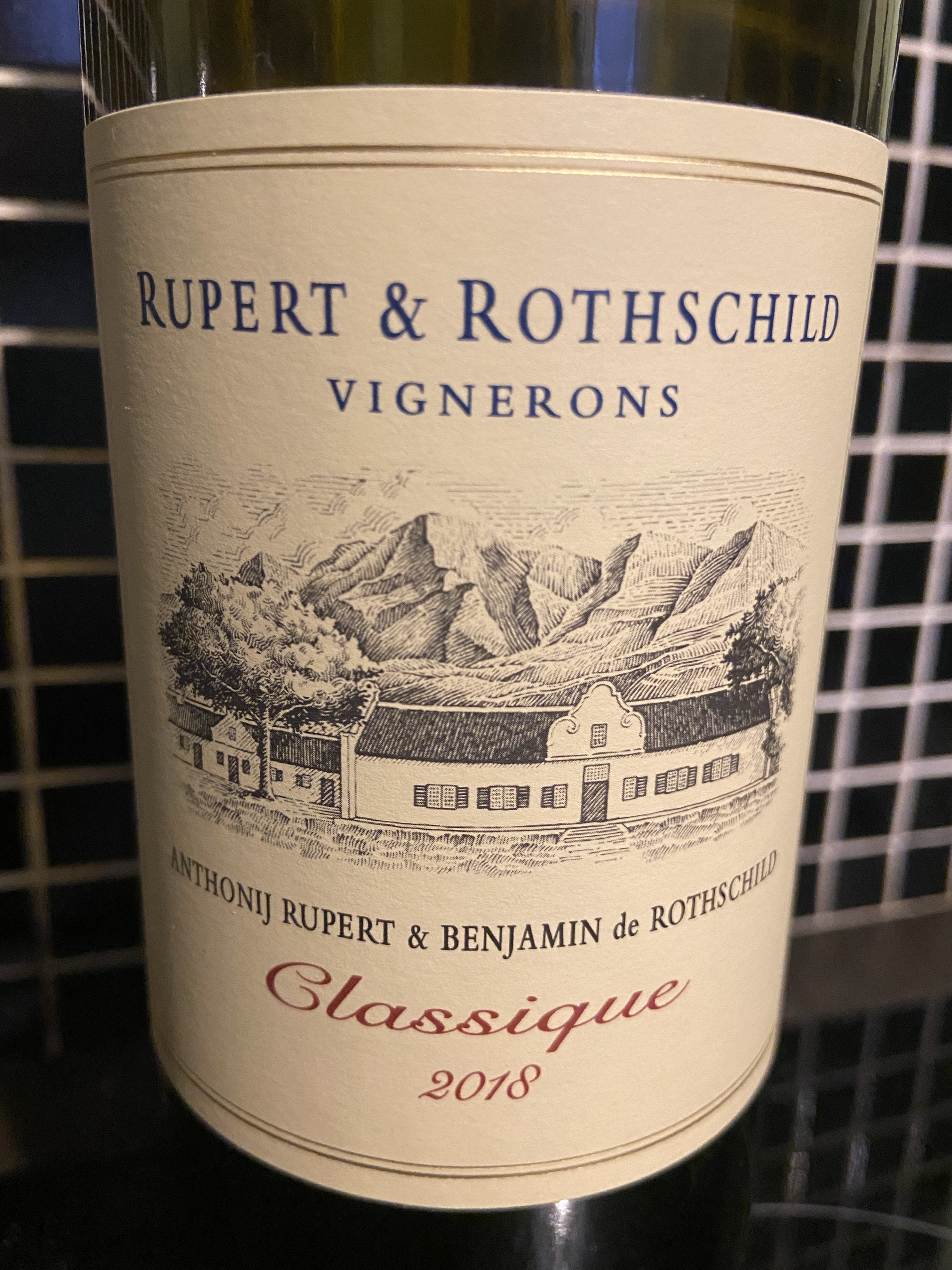
    The Rupert & Rothschild vineyard was created in 1997 by two renowned families, the Ruperts of South Africa and the Rothschilds of France.

    The Rupert & Rothschild vineyard covers 100 hectares of vines. The varieties grown are mainly Bordeaux ones, such as Cabernet Sauvignon, Merlot, Cabernet Franc and Petit Verdot.

    The estate is equipped with a modern cellar, where the grapes are vinified and aged for 18 months in French oak barrels before bottling.

    Since its creation, the Rupert & Rothschild Classique has become one of the estate’s most famous wines, as well as a symbol of winemaking excellence in South Africa.

    On to the tasting:

    The nose is discreet and the robe fairly pronounced. On the palate it’s pleasant and, just as the nose had signalled, it’s light with barely pronounced tannins. It’s only after it has passed that this wine reminds you of its origins, leaving a stronger scent in the mouth. But you’ll have to be quick, because it slips away fast.

    This 2018 will have to stay in the cellar a little longer, unfortunately, because its youth made itself known.

  • The Lilian Mystery…

    The Lilian Mystery…

    I have to confess something: I hesitated for a long time before writing this post. This wine, you see, made me doubt my ability to grasp all its subtleties.

    Let’s start with a little history:

    The Lilian Ladouys vineyard was founded in the 18th century. Over the years, the estate has had several owners and undergone many transformations, but it has always been recognised for the quality of its wines.

    In 2008, the Lilian Ladouys vineyard was acquired by the Lorenzetti family, owners of the prestigious Château Pédesclaux in Pauillac. Since then, significant investment has been made to modernise the facilities and improve the quality of the wines that run across the property’s 47 hectares.

    The Lilian Ladouys 2018 is a red wine from the Saint-Estèphe area, in the Médoc in Bordeaux. It’s produced from Merlot, Cabernet Sauvignon, Cabernet Franc and Petit Verdot, and was aged in oak barrels for around 12 months.

    Now that the introductions are done, on to the tasting:

    I found this wine very hard to understand; on the first glass I was surprised, because it isn’t like the Saint-Estèphes I’d tasted in the past. I have a particular feeling about this terroir — perhaps because my father was born there…

    I was expecting a powerful wine with plenty of body and as tannic as you like! In short, the “Saint-Estèphe” trademark!

    And then, as if by magic, you come across a wine of unsuspected balance. A soft yet pronounced nose, but an elegant robe. On the palate, this wine tenderly caresses you. And there go my preconceptions, blown to pieces.

    Once all that was set aside, I had to pour another glass and start again from the beginning — and there, this wine’s balance will trap you, and the length on the palate is present and subtle. It will take a lot of willpower to share it with the other guests around the table.

    This 2018 is already good to drink, but with a lot of perseverance you can also wait a few years to be surprised all over again.

    At around €25, it will go with a fine piece of meat….

  • New Zealand’s Treasures: Rimapere

    New Zealand’s Treasures: Rimapere

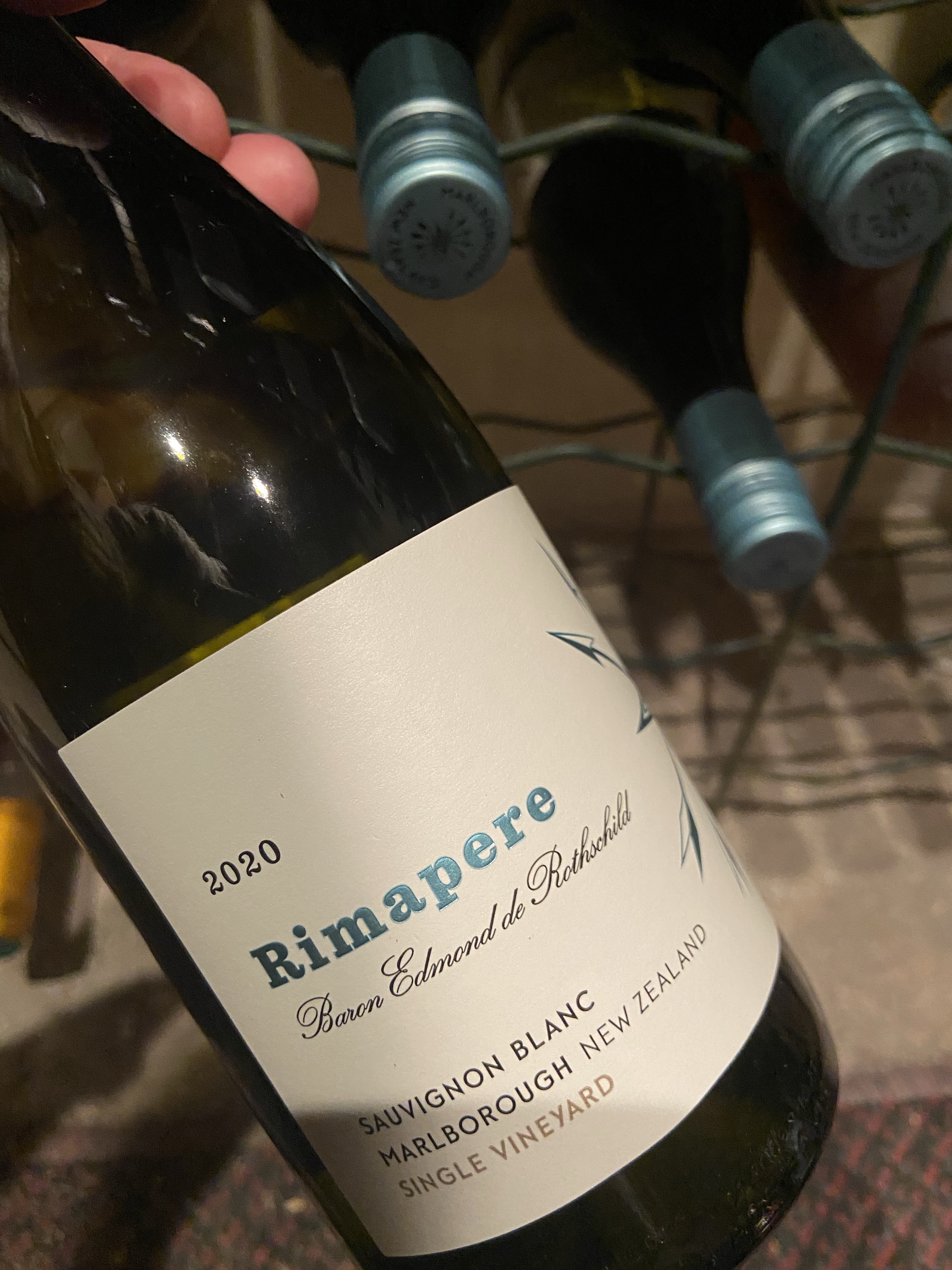
    The Rimapere vineyard is located in the Marlborough wine region of New Zealand. It was founded in 1995 by the famous Rothschild family, in partnership with local winegrower Terry Peabody. The name “Rimapere” means “five bands” in Maori, referring to the five different grape varieties planted in the vineyard.

    Set on the north bank of the Wairau river, this wine enjoys a cool, dry climate as well as alluvial soils rich in minerals, ideal for winegrowing.

    Rimapere: this wine will make you dream through its simplicity. It starts gently, almost dry, and then — hop — lovely citrus flavours come to caress the palate.

    Its nose is discreet but pleasant; the citrus is ever-present yet light. It’s really that subtlety that wins me over in this wine.

    I love it as an aperitif with friends, because it will please everyone. Dessert is another good moment to enjoy it, and don’t hesitate to chill it before serving — the citrus will benefit from that balance of freshness.

    Price-wise you’ll find it at under €20 — a little on the high side, but I give in to its call rather easily.