WineAndTech’

Tag: Bordeaux

  • The French vineyard of tomorrow: climate change, organic wine and natural wine

    The French vineyard of tomorrow: climate change, organic wine and natural wine

    🇬🇧 Series · The Vinous Trinity · Article 13/15 · France · ⏱ 5 min

    🇫🇷 Lire en français → [lien à ajouter] · Mon 🇫🇷 / Wed 🇮🇹 / Fri 🇪🇸

    Three countries, twelve articles, fifteen weeks of The Vinous Trinity. Before arriving at the final chapter, a look back at what France has shown. And a glance at what lies ahead.

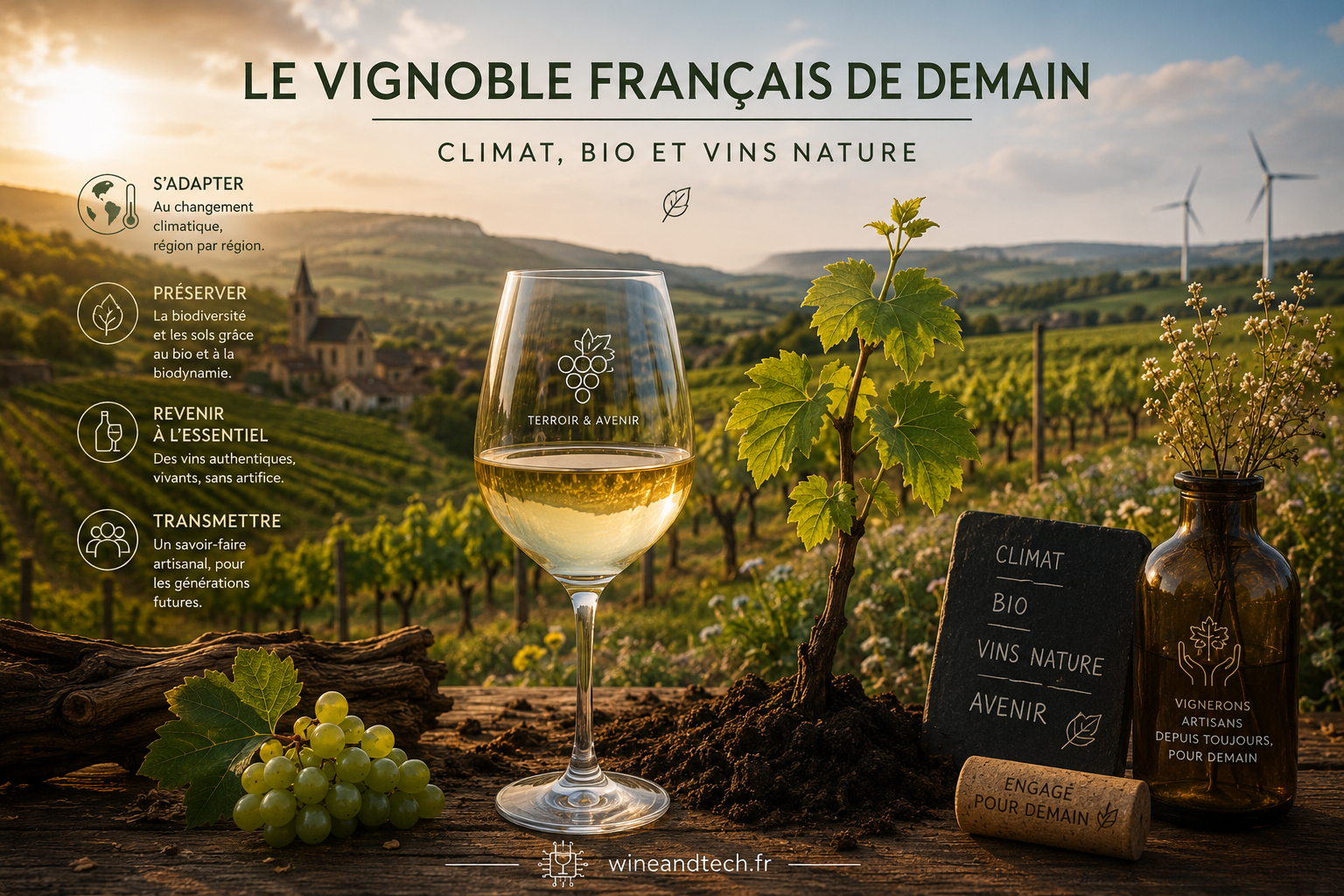
    What the French vineyard has that is exceptional is its diversity. Not only in terms of regions or grape varieties, but in its approach to wine: as an expression of a place, a history, a person. The future of this vineyard is now playing out on three fronts: climate change, the rise of organic farming and the natural wine movement.

    🇰 What we take away

    France has profoundly shaped modern wine culture. The concept of terroir, the hierarchy of appellations, the great blending models, barrel ageing and the promotion of emblematic grape varieties have all contributed to its worldwide influence.

    What the series will have shown: France is more diverse than its great names suggest. Beyond Bordeaux, Burgundy and Champagne, entire regions are working in relative obscurity, with grape varieties found almost nowhere else and wines that still sell at honest prices.

    Jura, Savoie, the Beaujolais crus, the Grand South-West, Corsica, the secret Loire, French Moselle: territories that prove the French vineyard is far from having revealed everything. Behind each appellation, artisans practising this trade with complete independence, often for several generations.

    🌡️ Climate change: a reality region by region

    In Alsace, harvests have moved forward by more than three weeks over recent decades. In Champagne, preserving the acidity and freshness that are part of the wines’ identity is becoming more complex in a warming climate. In Languedoc, episodes of intense heat can lead to high ripeness levels and significant alcohol content.

    The responses are diverse. Planting later-ripening varieties. Moving to higher altitudes. Rehabilitating forgotten local varieties, better adapted to current conditions. Irrigation, long tightly regulated in French appellations, is permitted in certain situations and is now the subject of new regulatory thinking.

    The paradox: certain regions once too cold to produce quality wines are now benefiting. French Moselle, Auvergne, Haute-Savoie: terroirs gaining in potential at the very moment their more southerly neighbours are seeking to preserve their freshness.

    🌿 Organic farming: a quiet transformation

    France has become one of Europe’s leading organic vineyards. In 2023, around 22% of the French vineyard was managed organically, including certified and under-conversion operations, with more than 131,000 hectares already fully certified. The progression has been remarkable.

    Behind this figure, a diverse reality. Some producers have been organic since the 1980s, often in pioneering regions: Alsace, Loire, Roussillon, Languedoc. Others have converted more recently, driven by demand or conviction.

    Biodynamics, a distinct approach from organic farming and generally more demanding in its practices, is also progressing. In Burgundy, Alsace and Champagne, emblematic estates have worked biodynamically for decades. These practices are often invisible on the label, but very real in the cellar.

    🍷 Natural wine: between Paris and the rest of the world

    The natural wine movement took particular shape in France from the 1980s-90s, notably in Beaujolais and the Loire, around winemakers such as Marcel Lapierre, Jo Pithon, Pierre Overnoy and Nicolas Joly.

    There is no single official definition of “natural wine”. The term generally refers to a production philosophy seeking minimal intervention, in both the vineyard and the cellar: grapes from low-intervention farming, spontaneous fermentations, limited oenological inputs and reduced use of sulphur, to varying degrees depending on the producer.

    Today the movement is worldwide, but France remains its symbolic epicentre. Paris has become one of the world’s great natural wine capitals, with a remarkable concentration of specialist wine shops, wine bars and restaurants.

    What was marginal in the 1990s has become, thirty years on, an underlying trend that influences even the most conventional producers.


    What the series will have shown

    French wine’s richness does not rest on its great names. It rests on the density of its artisan fabric. Thousands of small producers, dozens of lesser-known regions, hundreds of local grape varieties.

    The future does not depend on a grand plan. It is built plot by plot, family by family, harvest by harvest.

    France has not exhausted its surprises. It just needs people to keep looking for them.

    🇫🇷 Lire cet article en français → [lien à ajouter après liaison Polylang]
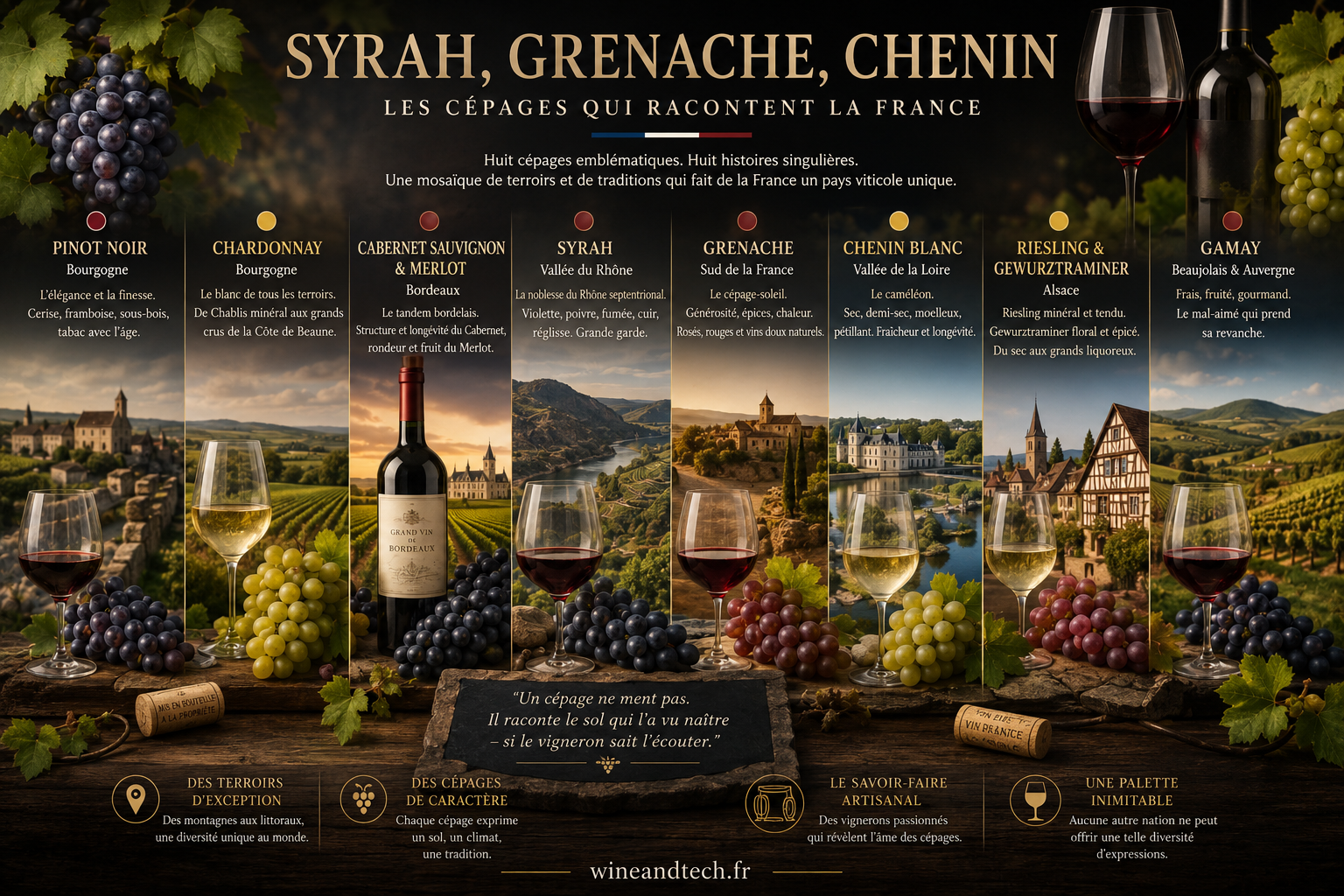
  • Syrah, Grenache, Chenin: the grape varieties that tell France’s story

    Syrah, Grenache, Chenin: the grape varieties that tell France’s story

    🇬🇧 Series · The Vinous Trinity · Article 7/15 · France · ⏱ 5 min

    In France, grape varieties are not simply types of grape. They are characters, each with its own personality, its preferred soils, its infinite variations depending on the land and the winemaker. Syrah, Grenache, Chenin Blanc, Pinot Noir, Chardonnay, Riesling, Gamay: every one of these names tells a story of soil, climate and tradition. Together, they form a palette no other wine nation can match.

    🍇 Grape varieties explored in this article

    Pinot Noir · Chardonnay · Cabernet Sauvignon & Merlot · Syrah · Grenache · Chenin Blanc · Riesling · Gamay

    🔴 Pinot Noir · the soul of Burgundy

    Pinot Noir is perhaps the most difficult grape variety in the world to master. Thin skin, light tannins, extraordinary sensitivity to terroir: it expresses with remarkable precision the differences between parcels sometimes separated by just a few dozen metres. In Burgundy, it produces wines of finesse, elegance and aromatic complexity (cherry, raspberry, flowers, undergrowth, tobacco with age) that have forged its worldwide reputation. But Burgundian Pinot Noir is not limited to inaccessible grands crus: a village Bourgogne or a Côte de Nuits-Villages from an artisan winemaker between €18 and €30 can deliver a remarkable experience. It also thrives in Alsace, Champagne and Savoie.

    🟡 Chardonnay · the white of all terroirs

    Chardonnay is the most widely planted white grape variety in the world, but it is in Burgundy that it reaches its highest expression. From the Côte de Beaune (Meursault, Puligny-Montrachet, Chassagne-Montrachet) to taut, mineral Chablis, from fruity, affordable Mâcon-Villages to Champagne where it forms the base of Blancs de Blancs, Chardonnay covers an extraordinary range of styles. Its initial neutrality makes it a chameleon grape: it takes on the imprint of terroir and winemaker with remarkable fidelity. A Chablis Premier Cru or a Mâcon-Uchizy from an artisan producer between €12 and €22: wines of real class at reasonable prices.

    🔴 Cabernet Sauvignon & Merlot · the Bordeaux tandem

    In Bordeaux, blending is never accidental. Cabernet Sauvignon (structure, firm tannins, longevity, blackcurrant, cedar) and Merlot (roundness, ripe red fruits, earlier accessibility) complement each other with a logic that defined the concept of fine wine for the entire world. The left bank (Médoc, Graves) favours Cabernet Sauvignon on its well-drained gravels. The right bank (Saint-Émilion, Pomerol) favours Merlot on its cooler clays. The real secret: hundreds of artisan estates produce increasingly high-quality Bordeaux at €10-18, often from old vines on remarkable terroirs.

    🔴 Syrah · the nobility of the northern Rhône

    On the steep granites of Côte-Rôtie, Hermitage or Cornas, Syrah reaches a level of expression that few grape varieties in the world can match: violet, black olive, white pepper, smoke, leather, liquorice. Wines of striking power and depth, capable of ageing 20 to 30 years. What makes Rhône Syrah unique is a long winemaking history, a marked climate and particularly demanding granite terroirs. In Crozes-Hermitage or Saint-Joseph, more accessible neighbours, remarkable Syrahs can be found between €12 and €20. It also succeeds in Languedoc and Provence, with looser, fruitier expressions.

    🔴 Grenache · the generosity of the deep South

    Originally from Spain (Garnacha), naturalised French in the southern Rhône and Languedoc, Grenache is the sunshine grape. It finds in Châteauneuf-du-Pape, on its terraces of rounded stones, one of its most emblematic French expressions, producing wines of remarkable generosity, warmth and spiced complexity. But it appears everywhere across the south of France: in rosé in Provence, in sweet natural wines (Banyuls, Maury, Rasteau), in Languedoc where century-old vines often yield the country’s best value-for-money. A Rasteau or Gigondas from an artisan winemaker at €12-18: southern generosity at an honest price.

    🟡 Chenin Blanc · the Loire’s chameleon

    Chenin Blanc is perhaps one of the most versatile white grape varieties in France. From the Loire Valley, it produces dry wines of striking tension and minerality (Savannières), fresh and complex off-dry wines (Vouvray), sweet wines of astonishing aromatic richness (Coteaux du Layon, Bonnezeaux) and remarkable sparkling wines (Vouvray pétillant, Crémant de Loire). Its naturally high acidity allows it to age 30, 40, even 50 years while retaining intact freshness. A dry Vouvray or an Anjou blanc from a winemaker between €10 and €16 can reveal astonishing complexity with a few years in the cellar.

    🟡 Riesling & Gewurztraminer · two of Alsace’s great grape varieties

    Alsace has the rare distinction of labelling wines by grape variety, and two dominate. Riesling, mineral, taut, citrus with petrol notes emerging with age, is one of France’s greatest dry whites, capable of exceptional longevity on the finest terroirs of the wine route. Gewurztraminer, at the opposite extreme, is flamboyant and opulent: rose, lychee, spice, ginger. Both can range from bone-dry to late harvest, up to Sélections de Grains Nobles, the equivalent of the world’s greatest sweet wines. Exceptional wines, often undervalued relative to their quality.

    🔴 Gamay · the unloved grape having its moment

    Long confined to the image of Beaujolais Nouveau, a marketing product drunk in November and forgotten by December, Gamay is now at the heart of a worldwide enthusiasm for light, fresh, easy-drinking wines. On the granites of Beaujolais, it produces the 10 crus explored in the previous article. But Gamay also grows in Touraine (Touraine Gamay, fresh and fruity), in Auvergne (Côtes d’Auvergne, often remarkable at under €10), in Savoie. A new generation of winemakers vinifies it with renewed finesse, gentler extraction, more precise ageing. A grape that turns out to have real depth.


    The inimitable · what these grape varieties share

    What sets many French grape varieties apart, including some now planted worldwide like Chardonnay, Cabernet Sauvignon or Merlot, is their capacity to produce profoundly different expressions depending on their territory. Savagnin from Jura, Mondeuse from Savoie, Romorantin from the Loire, Nielluccio from Corsica, Mourvèdre from Bandol: grape varieties that cannot be reproduced anywhere else with the same results. This combination, grape variety × terroir × tradition, is what makes France a unique wine country. Not because its wines are systematically the best in the world, but because they are irreplaceable.

    A grape variety doesn’t lie. It tells the story of the soil that gave it birth, if the winemaker knows how to listen.

  • Cabernet Sauvignon: The King of Grape Varieties — Why Does It Dominate the World?

    Cabernet Sauvignon: The King of Grape Varieties — Why Does It Dominate the World?

    📚 Grape Varieties of the World · Episode 1  |  ⏱ Reading time: 7 minutes

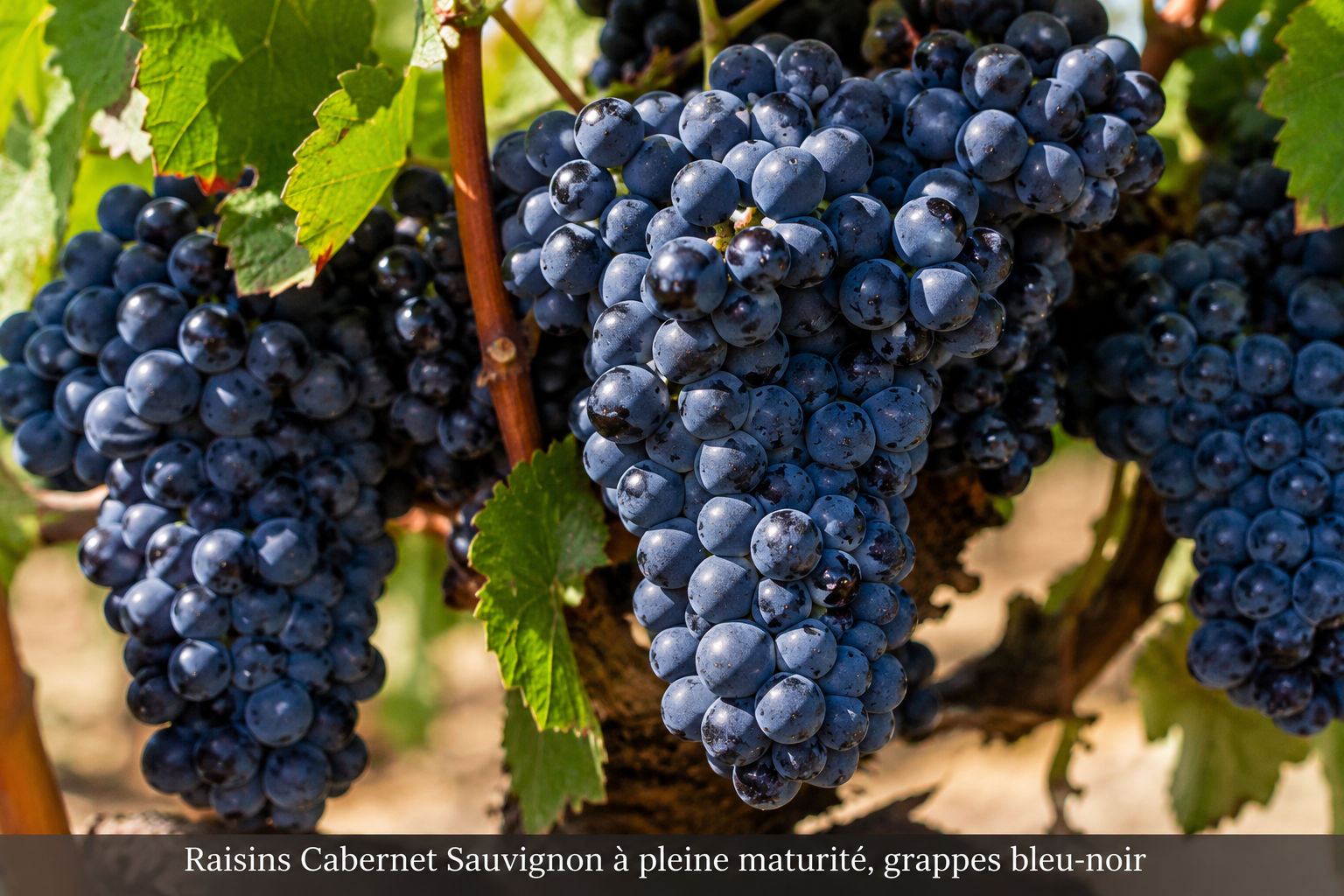
    Every year, millions of bottles of Cabernet Sauvignon are opened across the globe. From the great châteaux of Bordeaux to Californian estates, from Chilean vineyards to Australian terroirs, few grape varieties have conquered so many territories while retaining such a recognisable identity. Robust, built for ageing and capable of producing some of the planet’s greatest wines, Cabernet Sauvignon has established itself as the undisputed king of red grape varieties.

    In this first episode of our Grape Varieties of the World series, we unpack a global dominance that has lasted for more than three centuries.


    A Botanical Accident Turned Global Superstar

    Cabernet Sauvignon was not created by a visionary winemaker, nor selected in a laboratory. It was born from a botanical accident. Probably in the 17th century, in the Bordeaux region, two grape varieties growing in close proximity crossed naturally: Cabernet Franc, already well established in south-west France, and Sauvignon Blanc, celebrated for its aromatic expression. From this chance encounter came a vigorous, late-ripening variety particularly rich in tannins.

    For a long time, this origin remained nothing more than a hypothesis passed down from generation to generation.

    🔬 The Science Behind the Grape

    In 1996, a team of geneticists at the University of California, Davis, led by John Bowers and Carole Meredith, scientifically confirmed the parentage of Cabernet Sauvignon through DNA analysis. This discovery explained why the variety inherits the structure of Cabernet Franc while exhibiting specific aromatic compounds: methoxypyrazines, responsible for the green pepper notes that appear when grapes are harvested before full maturity. Molecular biology at the service of the sommelier.

    From Bordeaux to Napa: A Grape That Travels Remarkably Well

    The Bordeaux region is the historical birthplace of Cabernet Sauvignon. It is in the Médoc that it found its most iconic expression. The gravelly soils, made up of pebbles deposited by the Garonne river during the Quaternary period, provide exceptional drainage. The vine is forced to send its roots deep in search of water, encouraging slow ripening and a remarkable concentration of tannins and aromas. This combination shaped the reputation of Pauillac, Margaux and Saint-Julien.

    Its extraordinary capacity for adaptation is one of its greatest strengths. Four major expressions illustrate this versatility:

    • 🇫🇷 Médoc, Bordeaux — elegance and slow ageing, blended with Merlot and Cabernet Franc, complexity that reveals itself over decades
    • 🇺🇸 Napa Valley (Rutherford, Oakville) — more generous and sun-drenched wines, powerful structure, pronounced fruit maturity
    • 🇨🇱 Maipo Valley, Chile — fresh expression, characteristic minty notes, the signature of large day-to-night temperature swings
    • 🇦🇺 Coonawarra, Australiaterra rossa (red clay over limestone), dense, spiced wines of remarkable longevity
    Carte des principaux vignobles de Cabernet Sauvignon dans le monde ✦ VITICULTURE MONDIALE ✦ Carte des principaux vignobles de Cabernet Sauvignon dans le monde Les 4 grands terroirs mondiaux · Ancien & Nouveau Monde Bordeaux — Médoc · Pauillac (France) Bordeaux France Ribera del Duero — Castille-et-León (Espagne) Ribera del Duero Espagne Toscane — Bolgheri · Super Toscans (Italie) Toscane Italie Napa Valley — Oakville · Rutherford (Californie, USA) Napa Valley Californie, USA Washington State — Columbia Valley (USA) Washington State USA Maipo Valley — Puente Alto (Chili) Maipo Valley Chili Mendoza — Luján de Cuyo (Argentine) Mendoza Argentine Coonawarra — Terra Rossa (Australie) Coonawarra Australie Margaret River — Australie-Occidentale (Australie) Margaret River Australie Stellenbosch — Cap-Occidental (Afrique du Sud) Stellenbosch Afrique du Sud Équateur 50°N 30°N 30°S 50°S Terroir emblématique Vignoble reconnu Europe · Ancien Monde Bordeaux · Ribera del Duero · Toscane Amérique du Nord Napa Valley · Washington State Amérique du Sud Maipo Valley · Mendoza Hémisphère Sud Coonawarra · Margaret River · Stellenbosch Le Cabernet Sauvignon s’épanouit entre 30° et 50° de latitude Nord et Sud · wineandtech.fr
    Carte des principaux vignobles de Cabernet Sauvignon dans le monde — wineandtech.fr

    The Wines That Built Its Legend

    No discussion of Cabernet Sauvignon would be complete without the wines that forged its worldwide reputation:

    • 🇫🇷 Château Latour & Château Mouton Rothschild — the mastered power of the Médoc, wines capable of evolving over several decades
    • 🇺🇸 Opus One (1979, Robert Mondavi × Baron Philippe de Rothschild) — proof that the New World could rival the finest Bordeaux classified growths
    • 🇨🇱 Almaviva — the successful alliance of Bordeaux expertise and Andean terroirs
    • 🇦🇺 Penfolds Bin 707 — Australia’s benchmark Cabernet, known for its intensity, aromatic richness and immense ageing potential

    One Style, A Thousand Faces

    On the palate, Cabernet Sauvignon is immediately recognisable by its assertive tannic structure and aromas of blackcurrant, blackberry and dark fruit. Depending on climate and ripeness level, notes of cedar, graphite, tobacco, green pepper, eucalyptus or mint can enrich its aromatic profile.

    In Bordeaux, it is rarely vinified alone — it typically forms the backbone of blends with Merlot, Cabernet Franc or Petit Verdot. In warmer climates such as California or Australia, it is more often crafted as a single variety: wines gain in breadth, fruit maturity and richness, with a more pronounced oak influence.

    🍷 Classic Tasting Note

    💃 Colour: Deep red, purple hues in youth, brick tones with age
    👃 Nose: Blackcurrant, blackberry, plum · cedar, graphite, tobacco, leather at maturity
    👄 Palate: Firm yet silky tannins, good acidity, long and persistent finish
    🍽️ Food pairing: Roast lamb, rib-eye steak, aged cheeses, rich meat dishes

    Cabernet Sauvignon and Climate Change

    Long regarded as a natural ally of global warming due to its late-ripening nature, Cabernet Sauvignon is now seeing its equilibrium shift. Increasingly early harvests are driving up alcohol levels while progressively reducing acidity. In the warmest vintages, this evolution can diminish the freshness that forms a key part of the variety’s identity.

    Faced with these new conditions, winemakers are adapting their practices: rebalancing blends, seeking out cooler plots, and experimenting with newly authorised varieties. At the same time, Cabernet Sauvignon is conquering new territories — southern England, British Columbia, high-altitude vineyards in Argentina and Chile. Its world geography is in full transformation.

    Why It Remains Unbeatable

    Sunset grape harvest, adaptation to viticultural climate change (Kent Porter / The Press Democrat)

    Resilient, adaptable, equally comfortable in a blend or as a single variety, gifted with an exceptional ageing potential and able to express the character of a terroir with rare precision: Cabernet Sauvignon brings together all the qualities that explain its enduring success. It remains today the most widely planted red grape variety in the world, ahead of Merlot and Syrah.

    From Bordeaux to Coonawarra, via Napa and the Maipo, it continues to write the story of a botanical accident that became one of wine’s greatest ambassadors.

    📌 Key Takeaways

    • Born from a natural cross between Cabernet Franc × Sauvignon Blanc (17th century, Bordeaux)
    • Parentage confirmed by DNA analysis in 1996 — University of California, Davis
    • The world’s most planted red grape variety
    • 4 major expressions: Bordeaux · Napa Valley · Chile · Australia
    • High tannic structure → ideal for ageing (10 to 30+ years)
    • Evolving in the face of climate change

    ➡️ Next Episode — 1st September

    Its aromatic identity is surprisingly understated — and that is precisely what allows it to reveal, with rare faithfulness, the terroirs from which it comes. Mineral in Chablis, rich and generous in California, taut in Champagne or complex in Burgundy, it shifts character without ever losing its elegance.

    Next up: Chardonnay — how did such a versatile grape become the most planted white variety in the world?

  • Château Malmaison: A Beautiful Love Story

    Château Malmaison: A Beautiful Love Story

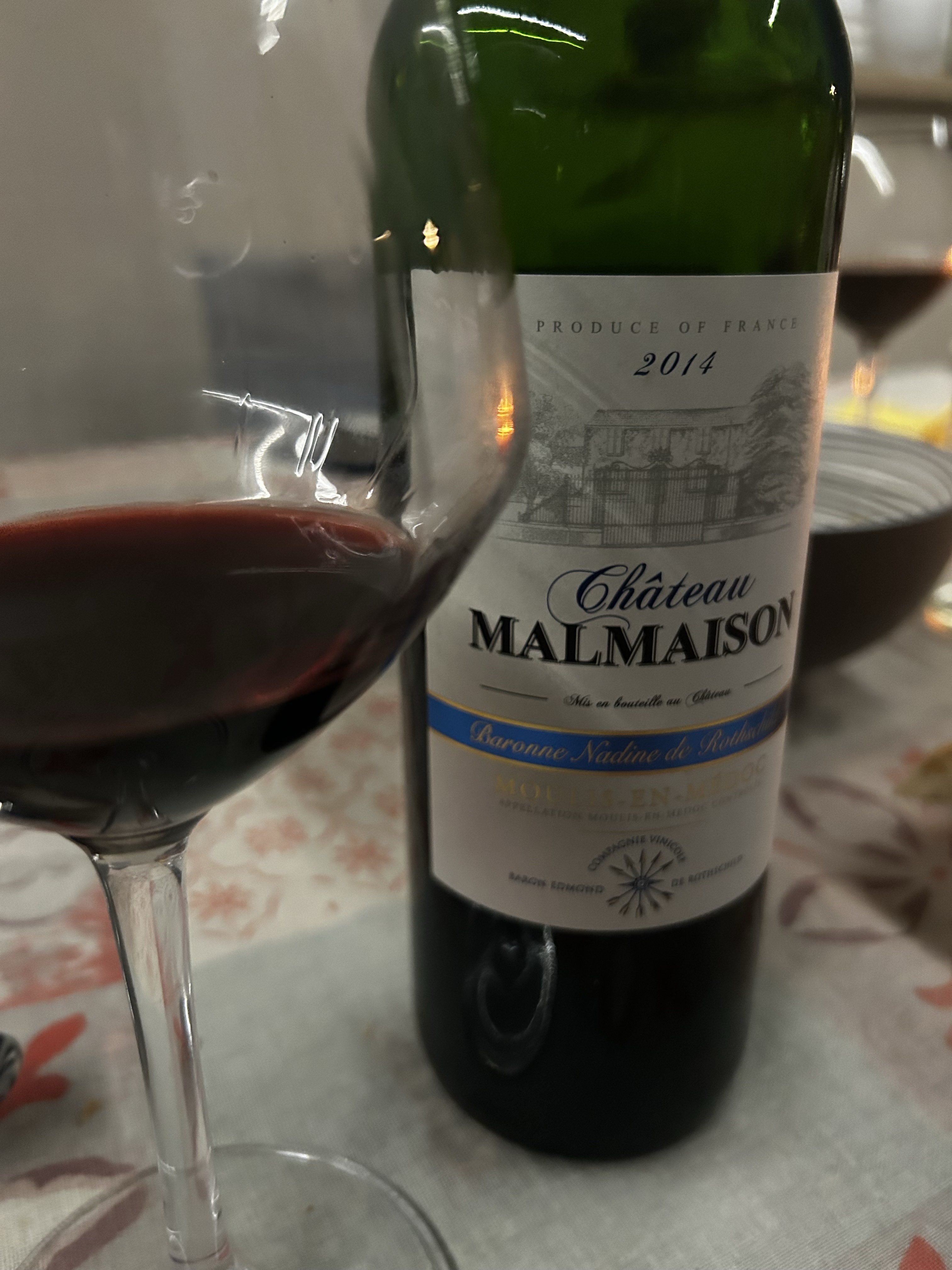
    Château Malmaison is a historic wine estate whose origins go back to the 17th century. It has belonged to the Rothschild family since 1978. The vineyard covers around 30 hectares and is planted mainly with the classic Bordeaux varieties: Cabernet Sauvignon, Merlot, Cabernet Franc and Petit Verdot.

    As a Moulis wine, Château Malmaison is prized for its quality and its value for money. It’s recommended to taste these wines after a few years of bottle ageing, to allow their full aromatic expression and the integration of their tannins.

    This wine came from the Baron’s wish to express his love for his wife, Baroness Nadine de Rothschild. Passionate about the art of gardens, she created here an enchanting garden in which the rose and the jacaranda play the leading roles.

    Source text – Image

    We had the chance to taste the 2014 vintage.

    The nose is very representative of these Moulis wines: red fruit and blackcurrant, lightly spiced over an aroma of leather. It’s beautiful, pleasant and very balanced. The nose test is a success!

    The robe is elegant, a ruby red — another characteristic hallmark that announces a lovely wine.

    On the palate it’s ample and generous; the tannins are powerful but respectful of the other aromas — they fill the space nicely, yet let wood and blackcurrant express themselves.

    Another test passed, with great elegance.

    With a length that’s a little quick and no acidity, you hurry to taste it again — but with great moderation.

    This 2014 is without doubt ready to drink, but it can also stay a while longer in your cellar. At a little over €30 depending on the vintage, this wine remains exceptional, with interesting value for money.

  • The Médoc Diversifies and Wants Into the Closed Circle of Exceptional Whites

    The Médoc Diversifies and Wants Into the Closed Circle of Exceptional Whites

    Wine route – Médoc

    For some time now, the Bordeaux grands crus have decided to ride the white-wine wave. Yet the market is already well stocked:

    Pinot Blanc and Pinot Gris, Gewürztraminer, Chardonnay, Chablis, Sauvignon Blanc, Auxerrois, Savoie, Burgundy, Alsace, but also the Jura and Touraine — not forgetting my beloved Luxembourg Moselle. In short, you’ll have gathered that it’s hard to carve out a place among these regions and vineyards that have become expert in crafting these lighter vintages.

    All the same, the Entre-Deux-Mers wines — unmissable around the Arcachon basin — had managed to stand out through their freshness. Paired with the white Graves and Pessac-Léognan, the offering is enticing:

    In Pessac-Léognan, Château Haut-Brion in Graves, and Château La Mission Haut-Brion in Pessac-Léognan, as well as Château Smith Haut Lafitte, are “signature” wines of these terroirs. In the Entre-Deux-Mers region, Château de Chantegrive and Château Ferran close out this prestigious parade. But that wasn’t enough for the Bordeaux King — more was needed.

    In the end, it’s to its lords of the Médoc that Bordeaux turns in order to shake up the hierarchy and bang the table!

    With a bottle under €10, we start with some safe bets:

    Dourthe N1 Sauvignon Blanc

    This very affordable dry white is no less pleasant for it, centred on citrus.

    Blanc de Maucaillou

    As good in white as in red, Maucaillou delivers woody aromas with this Sauvignon Blanc and its golden-yellow robe.

    Blanc de Chasse-Spleen:

    This “Blanc de Chasse-Spleen” is a white that leans towards the mineral and towards citrus.

    At more than €20 a bottle, it’s a bold gamble, because that’s a higher price bracket which demands a quality result. There’s no doubt Chasse-Spleen is capable of it, but the competition at that price level will be relentless.

    Alto, the white of Cantenac Brown

    This 90% Sauvignon Blanc stands out with a distinctive golden robe. Its floral and citrus aromas are synonymous with freshness. At a price above €25, there’s no doubt that here too perfection is an obligation.

    And the grands crus decide to speak up, to put Bordeaux definitively among the world’s elite of white wines

    Mouton Rothschild – Aile d’Argent

    “Aile d’Argent” is the second white wine of the famous Château Mouton Rothschild, one of Bordeaux’s five Premiers Grands Crus Classés. Château Mouton Rothschild is mainly known for its reds, but it has also produced this exceptional white since 1991.

    “Aile d’Argent” is made from various white varieties, mainly Sauvignon Blanc and Sémillon like all the others, which come from vineyards on the Château Mouton Rothschild estate. The name “Aile d’Argent” refers to the silver wings that have adorned the Château Mouton Rothschild label since 1924.

    It often offers notes of tropical fruit, citrus and white flowers, with a lovely freshness on the palate. Though less famous than Château Mouton Rothschild’s reds, “Aile d’Argent” remains an exceptional wine, at more than €120 a bottle.

    Château Margaux – Pavillon Blanc

    “Pavillon Blanc” is made from white varieties, mainly Sauvignon Blanc, sometimes with a small proportion of Sémillon. The grapes come from vines specially dedicated to producing this white wine on the Château Margaux estate. The winemaking is carried out with the same concern for excellence and attention to detail as for the estate’s reds.

    The result is a refined, elegant and complex white, offering subtle aromas of white fruit, citrus, flowers and sometimes mineral notes. Because of its rarity and Château Margaux’s renown, “Pavillon Blanc” is highly prized by collectors and connoisseurs of fine wines; you’ll struggle to find it below €350.

    Château Talbot – Caillou Blanc

    “Caillou Blanc de Château Talbot” is made from white varieties, mainly Sauvignon Blanc and Sémillon, sometimes with a small proportion of Muscadelle. “Caillou Blanc” is aged in barrel on its lees with Burgundian-style bâtonnage, which gives it a distinctive quality on the palate, favouring its silkiness. You’ll need to count on at least €35 to have it in your cellar.

    Blanc de Lynch-Bages

    Born in 1990, “Blanc de Lynch-Bages” is the result of blending the three traditional white varieties of the Bordeaux appellation, planted on some eight plots of Lynch-Bages’s historic terroir.

    These lines are taken from the link below; I’ll let you complete your reading, but you’ll need to spend at least €60 to taste it.

    https://www.lynchbages.mobi/fr/blanc-de-lynch-bages

    Cos d’Estournel Blanc

    In 2005, Cos entered the race for exceptional whites, thanks to the famous emblematic varieties of Sauvignon Blanc and Sémillon.

    This white, close to €150 a bottle, has to be exceptional.

  • Château Poujeaux 2018

    Château Poujeaux 2018

    Château Poujeaux is a wine estate located in the Moulis-en-Médoc appellation, in the Bordeaux region of France. It’s renowned for its high-quality red wines, mainly from the Merlot, Cabernet Sauvignon, Cabernet Franc and Petit Verdot varieties.

    This property has a long history going back to the 16th century, but its reputation as a wine estate was cemented over the course of the 20th century, under the management of the Theil family. Today it belongs to the Cuvelier family, who also own other great châteaux in Bordeaux.

    I can already see you giving me a funny look, and I can guess your thoughts: “another Moulis!”. Naturally, my recent trip to the area gave me another chance to plunge back into this terroir that binds us by blood. So yes, another Moulis — but not just any one! A lord bearing the number 2018, showing a dark, thick red robe.

    A first nose that’s woody and lightly spiced; I love it, I’m used to it, I find familiar sensations anchored in my subconscious.

    With a little dance, the alcohol comes to tickle your nose — you have to be gentle with this grand gentleman.

    It isn’t easy to make out the flavours, but the red fruits quickly stand out.

    On the palate, the wood is omnipresent, along with spice and leather. It’s a generous, very round wine; it’s powerful, but you sense a slight restraint, a freshness that isn’t unpleasant. The length on the palate is agreeable and persistent — we’re in for a while — and you’ll note a lovely taste of caramel through the length.

    Blackcurrant and raspberry broadly stand out.

    A price around €30, and you can keep it another 4-5 years without any problem. It will only be better for it.

  • Château Chasse-Spleen – Part 2: Art and Living

    Château Chasse-Spleen – Part 2: Art and Living

    What boldness, to marry art with the ancestral — even biblical — practice of wine! And in the end, walking through these gardens, you notice a balance and a craftsmanship entirely in the image of this terroir.

    This work, Lilian Bourgeat’s boots, is now an integral part of the Chasse-Spleen identity. Its incorporation into the label is the absolute recognition of that.

    But the art doesn’t stop at the garden. A quick tour of the cellars and a disconcerting work intrigues us all over again. Felice Varini’s anamorphosis brings out the “Triangles” — but to make them out, you’ll have to find the ideal spot inside the cellar. Here, we’ll help you a little:

    Since we’re in the cellars, let’s take the opportunity to taste a little wine.

    Gressier 2015

    This Moulis is fresh on the nose; the red fruit is secondary and you can sense a touch of youth. On the palate, a little acidity comes right from the start to revive your palate. I really do find it holding back — no doubt opening it earlier would have let us appreciate it better. Without any doubt, it needs a while longer in the cellar.

    Chasse-Spleen 2015

    The nose is very pleasant — red fruit, wood and hints of spice. No doubt about it, we’re no longer in the same dimension.

    On the palate it’s round, enveloping, fresh and very balanced. The aromas detected on the nose confirm their presence without any trouble. This 2015 is already very good to discuss.

    L’Héritage de Chasse-Spleen 2011

    The nose is light; wood and tobacco, over a brownish-red colour.

    On the palate, the red fruit is well present, and the length shifts to hand leadership back to the wood. It’s perfect to drink!

  • Château Chasse-Spleen – Part 1: A Call to Joy and Pleasure

    Château Chasse-Spleen – Part 1: A Call to Joy and Pleasure

    Château Chasse-Spleen is a wine estate located in the Moulis-en-Médoc appellation, in the Médoc wine region of France. It’s renowned for producing wines of great quality, mainly from Cabernet Sauvignon, Merlot and Petit Verdot.

    The boots in front of the château are especially loved, but I’ll tell you about them soon 😉

    The château’s name, “Chasse-Spleen”, has a poetic origin. We’ll come to it a little further down the article, but I love using the phrase “chasing away the spleen” and the idea that tasting its wines brings real joy and drives away melancholy — always in moderation, of course.

    In 1820, the estate was divided in two: one half went to M. Gressier and the other to his sister, Madame Castaing, who then gave rise, in 1863, to the name Chasse-Spleen.

    Two origins are put forward for the name Chasse-Spleen. The first is attributed to Charles Baudelaire, referring to his collection “Les Fleurs du Mal”, which the Bordeaux painter Odilon Redon, a neighbour of the château, illustrated.

    The second would be to the credit of Lord Byron, a great wine lover who, during a visit to Chasse-Spleen in 1821, is said to have remarked that this wine had no equal for chasing away dark thoughts.

    The Castaing family remained owners until 1909, when the German merchant Segnitz took over in turn; the estate was then bought in 1920 by the Lahary family, before being sold on in 1976 to Jacques Merlaut. Céline Villars-Foubet, Jacques Merlaut’s granddaughter, has run Château Chasse-Spleen since 2000. Château Chasse-Spleen has been classified Grand Cru Exceptionnel in the Moulis appellation since 1932.

    The land on which Chasse-Spleen stretches today has been planted with vines for more than 400 years.

    The great witnesses of that era still keep watch — and it’s hard not to notice them at the corner of the property:

    In 1820, Gressier Grand Poujeaux was one of the first Crus Bourgeois of the Médoc and, up to a certain point in time, one of the jewels of the Moulis appellation. Château Gressier Grand Poujeaux always belonged to the same family, the Saint Affrique/Gressiers, from its creation until its sale to its neighbours at Chasse-Spleen in 2003.

    Walking through the vines, you can in fact spot this tribute and this echo of history, thanks to the names of certain plots on the estate.

    If you have the chance to taste a wine from Château Chasse-Spleen, I encourage you to do so and discover for yourself the quality and beauty of its wines.

    The estate produces 5 wines:

    Château Chasse-Spleen

    Oratoire de Chasse-Spleen, the second wine

    Héritage de Chasse-Spleen, previously called Ermitage de Chasse-Spleen, in the Haut-Médoc appellation

    Blanc de Chasse-Spleen

    Château Gressier Grand Poujeaux


    I looked for the most complete site at competitive prices to buy this wine, and here it is here

    That said, the first wine remains exceptional and of great quality, so it will be hard to find below €35 a bottle. The second wines, however — also of very great quality — start at around €15.

    In a future post I’ll take you inside the cellars and we’ll taste a little wine.

  • 🇫🇷 La Cité du Vin

    🇫🇷 La Cité du Vin

    An interesting article….

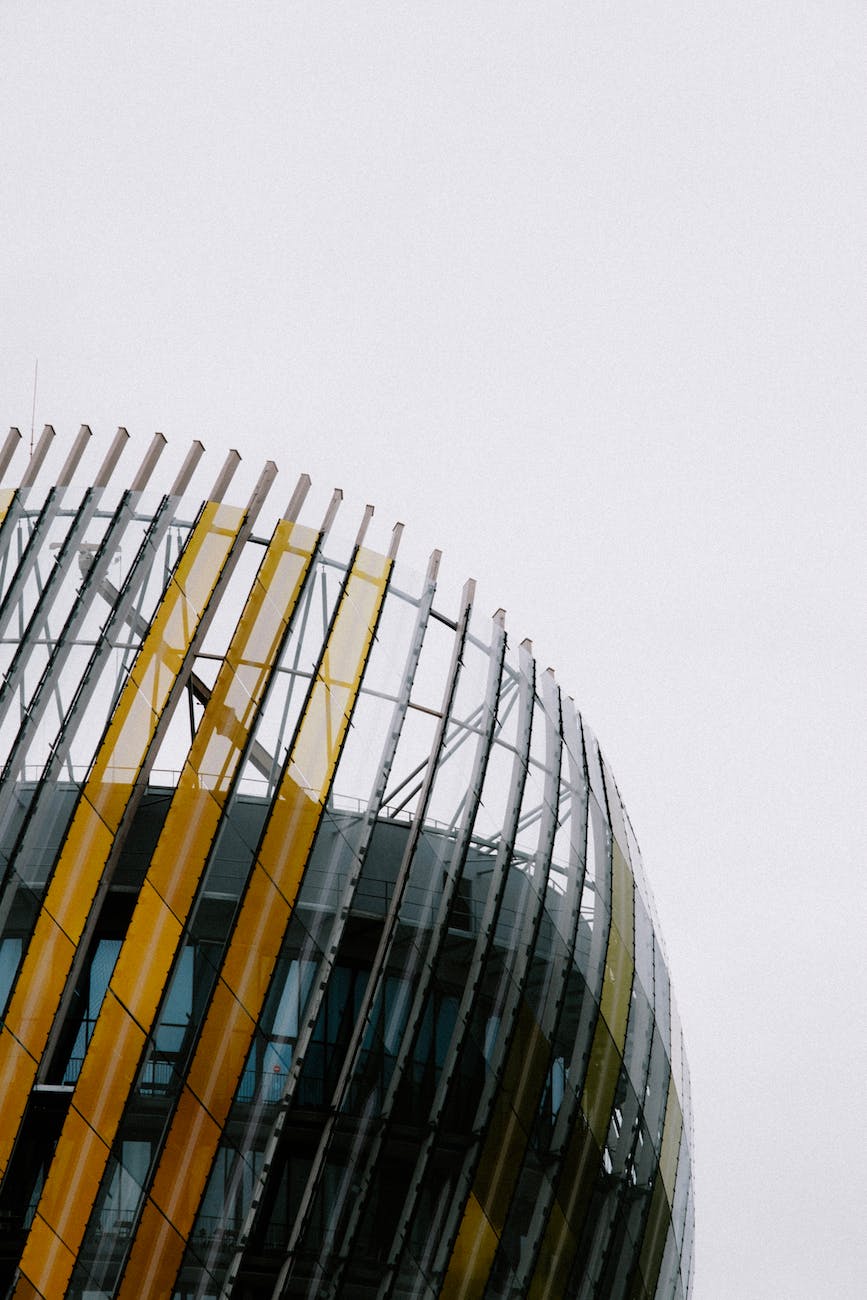
    Bordeaux is a true wine city and is surrounded by large vineyards. In the city itself, you will find several museums dedicated to all the wines …

    🇫🇷 La Cité du Vin
  • Château Arcins and the “Crus Bourgeois”

    Château Arcins and the “Crus Bourgeois”


    “The Haut-Médoc represents a safe bet in the world of wine, with its rich, full-bodied and well-balanced wines that perfectly express the region’s exceptional terroir.” – Robert Parker

    Château d’Arcins is a wine estate located in the Haut-Médoc appellation, in the Bordeaux wine region of France. It’s renowned for producing quality red wines.

    Château d’Arcins has a long history going back to the 18th century.

    The varieties grown on the estate are mainly Cabernet Sauvignon, Merlot and Petit Verdot, which are typical of the Haut-Médoc appellation.

    The wines produced by Château d’Arcins are known for their elegance and their structure. They often offer aromas of black fruit, blackcurrant and cherry, along with notes of spice and cedar from their ageing in oak barrels. Château d’Arcins wines can benefit from bottle ageing to develop more complexity and maturity.

    As a Bordeaux wine estate, Château d’Arcins is subject to the region’s own regulations and classifications, such as the Haut-Médoc Appellation d’Origine Contrôlée (AOC), which guarantees the origin and quality of the wines produced in this area.

    The robe is magnificent, a graduated but vivid red. A woody but light nose that comes to tickle your nose gently.

    On the palate it’s long and balanced, with no acidity or aggressiveness; the red fruit isn’t dominant, but it’s present.

    The length is light but persistent.

    Good value for money, for a wine I’d sum up in one word: “lightness”.

    But it’s also a chance for me to tell you about the “Cru Bourgeois” classification that Château d’Arcins holds.

    The Crus Bourgeois classification is a separate system covering the wines of the Médoc region, in particular those not included in the official 1855 Bordeaux classification. This classification has gone through several revisions and controversies over the years. Here’s an overview of how it has evolved:

    • 1932: The first Crus Bourgeois classification is created to identify quality wines in the Médoc region.
    • 2003: A major revision is undertaken, but it is ultimately annulled in 2007 because of legal disputes.
    • 2009: A new classification is introduced, with three levels: Crus Bourgeois Exceptionnels, Crus Bourgeois Supérieurs and Crus Bourgeois.
    • 2010: The 2009 classification is annulled after a legal challenge, and the Crus Bourgeois system is reformed.
    • 2018: A new classification is put in place, with two levels: Crus Bourgeois and Crus Bourgeois Supérieurs. The wines must meet strict quality and traceability criteria, assessed in regular tastings.

    It aims to showcase talented producers and to give consumers a reliable reference for choosing quality wines at more affordable prices.

    The classification is based on a rigorous selection process and on established quality criteria. Here are the main elements to bear in mind:

    1. Application: Médoc wine properties may submit their application to be considered in the classification process. This is done through a formal request to the Alliance des Crus Bourgeois.
    2. Quality assessment: The wines are assessed in blind tastings conducted by a panel of independent experts. The tasters take into account criteria such as balance, structure, aromatic expression and regional typicity.
    3. Classification decision: The wines are ranked in two distinct categories:
      • Crus Bourgeois: Properties that meet the established quality criteria are permitted to use the term “Crus Bourgeois” on their labels.
      • Crus Bourgeois Supérieurs: Among the Crus Bourgeois, a subgroup of properties that stand out still further in terms of quality is raised to the status of “Crus Bourgeois Supérieurs”.
    4. Validity and reassessment: The Crus Bourgeois classification is granted for a period of five years. At the end of that period, properties must submit their wine for a new assessment to maintain or improve their classification status.

    The Crus Bourgeois classification is overseen by the Alliance des Crus Bourgeois, which is responsible for organising the selection process, managing the quality criteria and promoting the Crus Bourgeois to consumers.