WineAndTech’

Author: Jean-Sébastien LASSERE

  • Le Gobinaud, a “Cru Artisan”… But With Everything of a Great One!

    Le Gobinaud, a “Cru Artisan”… But With Everything of a Great One!

    “The wines of Listrac-en-Médoc offer excellent value for money, with aromas of black fruit, notes of cedar and tobacco, and a persistent, spicy finish. Wines absolutely worth discovering.” – Wine Enthusiast

    For those who don’t know the “Cru Artisan” designation, here’s what makes it distinctive:

    “Cru artisan” wines are a relatively recent Bordeaux designation. It was created in 2012 to recognise small wine producers who take an artisanal approach to growing and winemaking.

    These wines are produced using traditional, artisanal methods, with particular attention paid to every stage of production. The vines are farmed organically or sustainably, without excessive use of pesticides and chemical fertilisers. The grapes are hand-harvested and carefully sorted so that only the best are kept.

    “Cru artisan” wines are produced on a small scale, often by family vineyard owners. They’re frequently vinified in concrete or wooden vats and aged in oak barrels for varying periods. The result is a quality wine, complex and balanced, that reflects the terroir and the winemaker’s know-how.

    “Cru artisan” wines are seen as an alternative to the better-known and more expensive Bordeaux wines. They offer excellent value for money and are often more affordable than Bordeaux’s grands crus classés.

    On to the tasting:

    A dark robe with chocolatey tones; the nose is very woody, and aromas of red fruit emerge, though discreetly.

    On the palate it’s discreet at first, but it offers a lovely balanced length with a little spike of acidity.

    There’s that length I call “flat” — meaning the aromas are non-existent at the start, almost absent, and then explode all at once. I haven’t managed to find a way to describe this phenomenon, but I’m working on it 😉

    This wine will be tricky to find, but a visit to the Médoc is probably the best way!
  • Tavel, the Finest Rosé?

    Tavel, the Finest Rosé?

    “The wine of Tavel is the king of rosés and the king of the wines of the Rhône Valley.” – Victor Hugo, French writer.

    Tavel is considered by many connoisseurs to be the finest rosé in the world. This grand cru is grown in the Rhône Valley, on the slopes lining the river’s right bank, between the Pont d’Avignon and the Pont du Gard. The Tavel area covers the communes of Tavel and Roquemaure, in the Gard.

    Tavel owes its uniqueness to a winemaking process that sets it completely apart from all other rosés, and which resembles that of a red wine: long macerations of 48 to 72 hours. After pressing, fermentations of 10 to 15 days are carried out at low temperature (13-14°C). It comes from a blend of free-run juice, which brings the aromas, the fruit, the freshness and the necessary acidity, and press juice, which preserves its richness, its structure and its power.

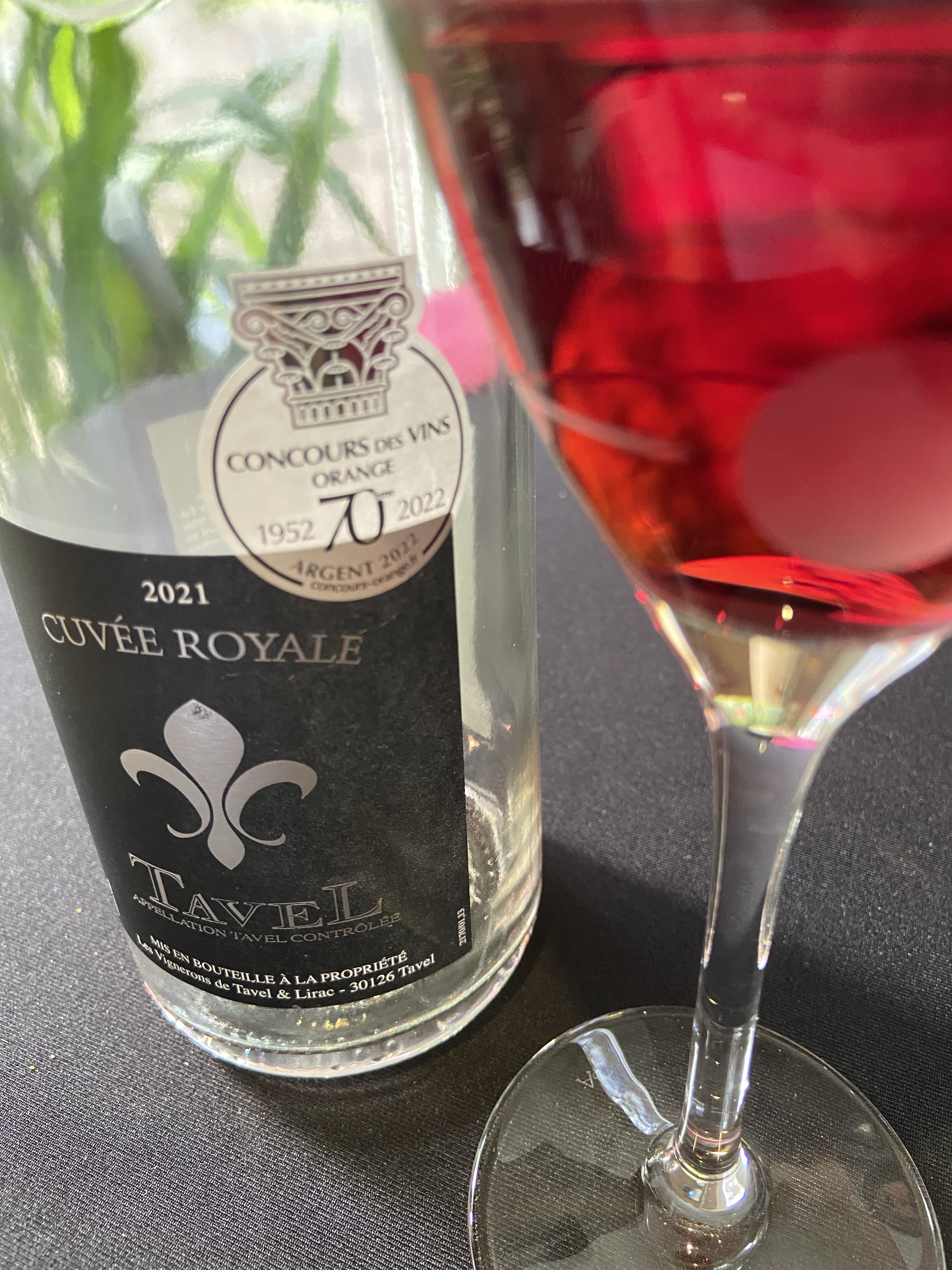
    I had the chance to taste the one produced by the winegrowers of Tavel & Lirac (thanks Hervé). Visually it’s brilliant, with a flamboyant red colour.

    On the palate, the wine is ample and round. It expresses a lovely aromatic power with a finish on spice, staying soft without excessive acidity. Naturally its price will be a little higher than traditional rosés, but it can be kept and will be enjoyed at any time — even in winter.

  • The Portuguese Commands Respect…

    The Portuguese Commands Respect…

    “Terras d’Alter is a wine that never stops impressing, with its depth, its complexity and its long finish. A wine that bears witness to the commitment and passion of the Alentejo’s winemakers.” – Wine & Spirits

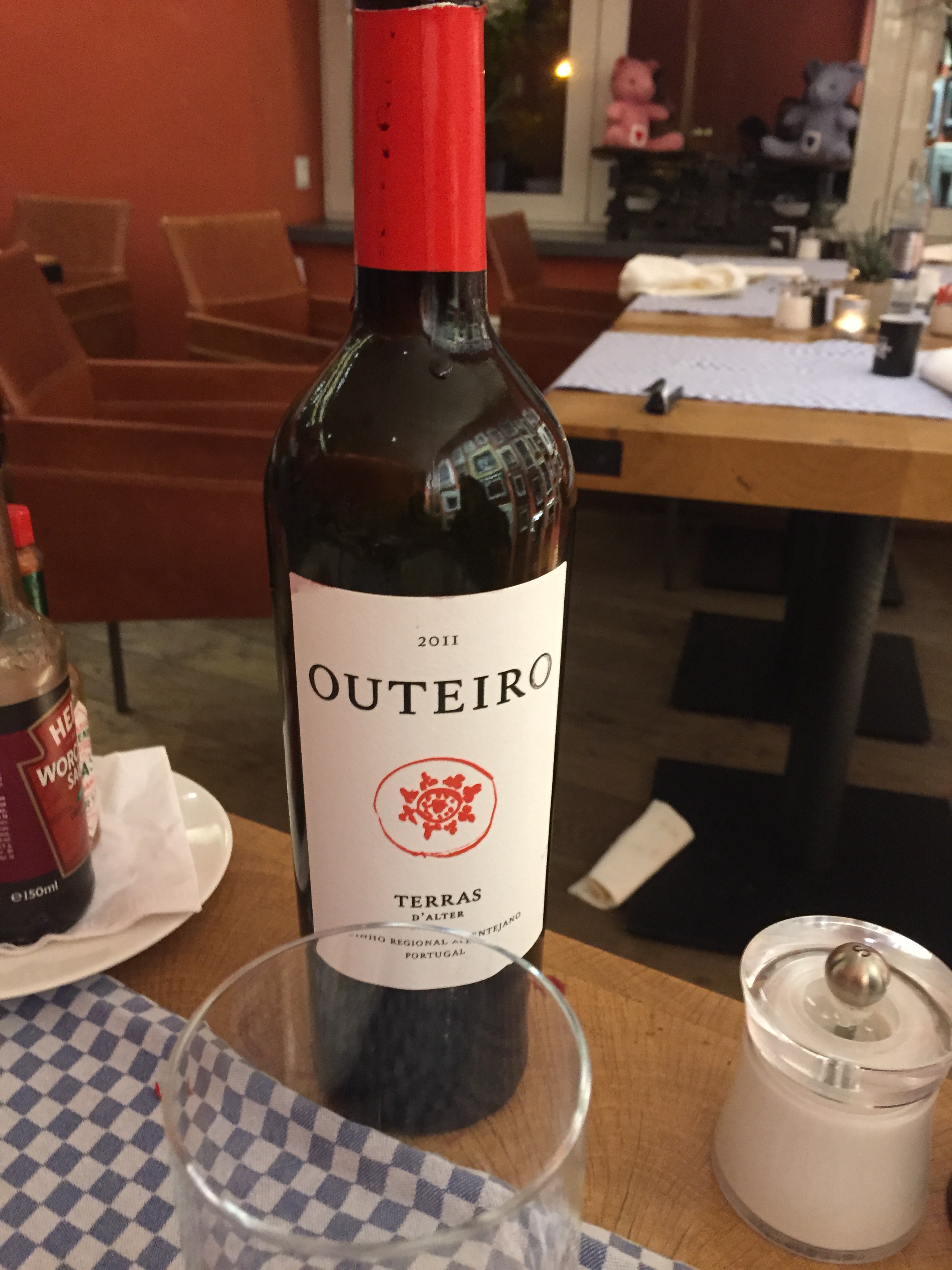
    Outeiro Terras d’Alter 2011 is a Portuguese red wine produced in the Alentejo region, in southern Portugal. This region is renowned for the quality of its red and white wines, as well as for its rolling landscapes and its olive groves.

    This wine is made from the Alicante Bouschet, Aragonez, Trincadeira and Syrah varieties, grown in vineyards at an altitude of around 400 metres above sea level. The grapes are hand-harvested and carefully sorted so that only the best are selected.

    The Outeiro Terras d’Alter 2011 is then aged in French oak barrels for 12 months, which gives it subtle notes of vanilla, cedar and spice.

    The tasting:

    I’ll be honest with you: I can’t quite remember this wine precisely. But it surprised me — all the more so as I tasted it back in 2015. I didn’t know Portuguese wines and, during a meal at a restaurant, having a Portuguese friend with me, I wanted to please her by ordering this wine.

    What a slap in the face I took! Full-bodied, balanced, length, robe — every box ticked. As a Bordelais by blood, I could only concede defeat and award this wine a prize for excellence.

  • Lalande-Pomerol Shows Itself Off With a Pretty Flower

    Lalande-Pomerol Shows Itself Off With a Pretty Flower

    “Lalande-Pomerol is a jewel of Bordeaux’s Right Bank, a rich and deep wine of great finesse.” – James Suckling, American wine critic.

    This is a pure Merlot, from a richly diverse terroir of sandy and gravelly soils. The vineyard is planted mainly with Merlot (80 to 85%), the rest being Cabernet Franc.

    Let’s taste it:

    A balanced robe, a flamboyant red with lovely chocolatey edges.

    A powerful nose, and that complex aroma of damp wood reminds me of long walks out in nature. It quickly comes back to remind you to watch out for those 14.5%.

    A discreet length, but one that wakes up and slowly asserts itself after it has passed.

    The balanced taste is nonetheless very particular. It may not please everyone, because it’s flat at the start, like a hollow — a dead moment in the script of the aromas — and it struggles to assert its character; then a touch of acidity soon appears.

    That sharpness, a little too present at the start to my mind, later leaves a long (very long) and pleasant taste. That’s what I liked about this wine: the length and the persistence of the tannins. My palate is still full of it as I write this article.

    This 2020 did suffer from its youth, though, giving off a nose marked by the alcohol that limits its expression. So you’ll have to wait a little longer to enjoy it fully and see Lalande at its best.

  • Luxembourg Doesn’t Have the Sun, But…

    Luxembourg Doesn’t Have the Sun, But…

    “The wines of Schengen bear witness to the history and passion of Luxembourg’s winegrowers — elegant, refined wines that deserve to be discovered.” – Bettane & Desseauve

    Considered one of the most renowned terroirs of the Luxembourg Moselle, the majestic Felsberg hill makes for a lovely day out.

    It overlooks Wintrange, a small winegrowing village of 400 souls not far from Schengen. It’s here, on the slopes of the Felsberg, that Frank Schumacher tends the vine.

    I had the chance to take part in an open day at the property, offering every enthusiast a memorable tasting. In the company of friends, I had the privilege of discovering a rich (very rich) catalogue, full of little gems. Like its wines, the place is beautiful and pleasant, well suited to tasting:

    I’m telling you here about the Pinot Blanc, but other references will be added to the tastings soon. The catalogue of wines produced by this family impressed me. Impressed, because I’m not used to seeing this: I counted more than 60 references available on the list, all produced locally by this family. Granted, several vintages help fill out the catalogue — but even so, it isn’t common to produce that much with so few people.

    During this tasting I was able to try a good number of wines, and all were good, some of them very good.

    Here’s the link to the cellar, with a shop for ordering too — see for yourself…: https://www.schumacher-knepper.lu/index.php/fr/

    On to the tasting:

    Naturally you’ll need to chill it a little before tasting. Unlike its cousin the Pinot Gris, this Pinot Blanc is a touch drier — yet this white will upend that assumption, and you’ll sense it right from the start with its fruity nose.

    On the palate it’s extraordinarily balanced and soft; very fruity, you’ll barely detect the touch of acidity at the end. Length isn’t its strong point, though — which rather invites you to pour another straight away.

    Personally (and I’m not the only one), I love it with cheese or as an aperitif — which is why my cellar will never be without it again.

  • Sipping Wine in an Old London Cellar

    Sipping Wine in an Old London Cellar

    The English-style wine bar:

    Gordon’s Wine Bar with friends! ©Jean-Sebastien

    The rain came along to disrupt this visit, unfortunately making the cellars (see photo above) inaccessible because of roadworks in the street.

    I do recommend the place: the cellar oozes authenticity in the way only the English know how. The wine we chose and what came with it made for a thoroughly pleasant moment — the presence of friends had a lot to do with it, since London rain is inseparable from the myth!

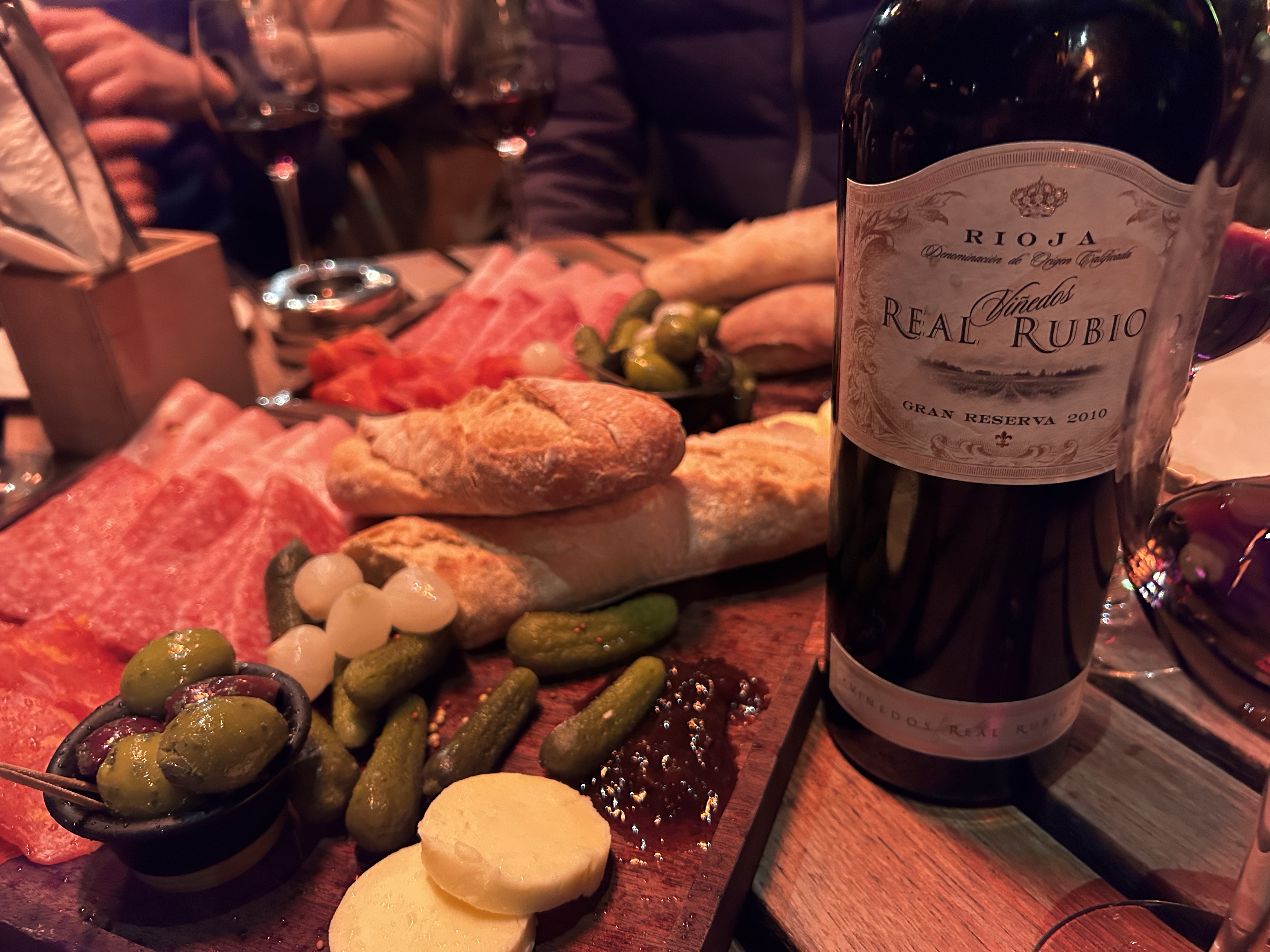
    I wanted to try a Rioja again, to confirm that this appellation is consistent in its quality. So we tasted a Real Rubio Gran Reserva 2010.

    A nose of vanilla and wood, a palate of lovely red fruit with powerful but balanced tannins.

    A supple, persistent length lifted by a touch of acidity that quickly fades to make way for the fruit.

    We enjoyed the wine, even if some of my friends found the tannins too strong.

    I’ll add one small reservation about the venue, though. Its authenticity is beyond question, and the wine list is rich, carefully put together and affordable. Look closely at that list, however, and you’ll be a little disappointed by the lack of local wines — indeed, among more than 100 listings I found only a single English wine! And yes, there are wines Made in Britain! A few nice articles on the subject:

    https://avis-vin.lefigaro.fr/magazine-vin/o30370-la-voie-royale-des-vins-anglais

    http://www.le-vin-pour-les-nuls.com/six-vins-anglais/

    I’ll also share a nice article about the place:

    A couple of our favorite evenings have been spent in London’s oldest wine bar. We have been twice with friends and family, and each time has lead to …

    Sipping wine in an old London cellar
  • Spain Among Friends…

    Spain Among Friends…

    “Ribera del Duero is a complex and sophisticated wine, a wine that demands particular attention and rewards those who take it seriously.” – Stephen Tanzer

    The Cruz de Alba 2019 is a red wine produced in the Ribera del Duero wine region of Spain. This region is renowned for producing some of Spain’s finest reds, thanks to its unique terroir and favourable climate.

    The Cruz de Alba 2019 is produced from Tempranillo grapes, the most widely grown variety in the region. It was aged for 12 months in French and American oak barrels, which gave it woody, spicy notes.

    On to the tasting:

    On the nose, beyond the red fruit, you can pick out vanilla and spice.

    The robe is dark, and it announces its colours: on the palate you won’t be disappointed — this 2019 is full-bodied with a touch of acidity, but balanced. You’ll note a quick passage through the length; clearly that isn’t this wine’s strong point.

    This wine was chosen by one of my friends during a meal. Even though the wine was enjoyed by everyone around the table, notably for its respectful tannins, it’s the meal among friends that will stay in my memory. Then again, would I have remembered the wine without my friends? That’s less certain.

    It’s really the place and the good company that made this wine mark our memories of that get-together. It accompanied us effectively and left us with a pleasant memory. Not a false note alongside our meat-based dishes.

    At around €15 a bottle, it will go with a good meal but also work as a tasting wine. Don’t keep it too long — it isn’t necessary; it’s already very pleasant.

    Vino Orgánico:

    We noticed that this wine carries “biodynamic wines” on its label. These wines are similar to organic wines, but they’re produced according to stricter, more holistic principles. Biodynamic wine producers take the vine’s whole ecosystem into account — the soil, the surrounding plants and the animals — in order to produce a wine in harmony with its environment.

    It’s possible that the Cruz de Alba 2019 is a biodynamic wine but, despite my research, I haven’t found information on its production method, so it’s hard to confirm with certainty.

  • The Go-Anywhere Côtes du Rhône

    The Go-Anywhere Côtes du Rhône

    “Côtes du Rhône is the south in a glass, the garrigue in a nose, the sun in a colour, conviviality in a taste.” – Bernard Pivot

    I know what you’re going to say: “an article about a Côtes du Rhône”!

    And there it is, the magic of preconceptions at work — but you should be starting to know that every appellation in the world has its gem.

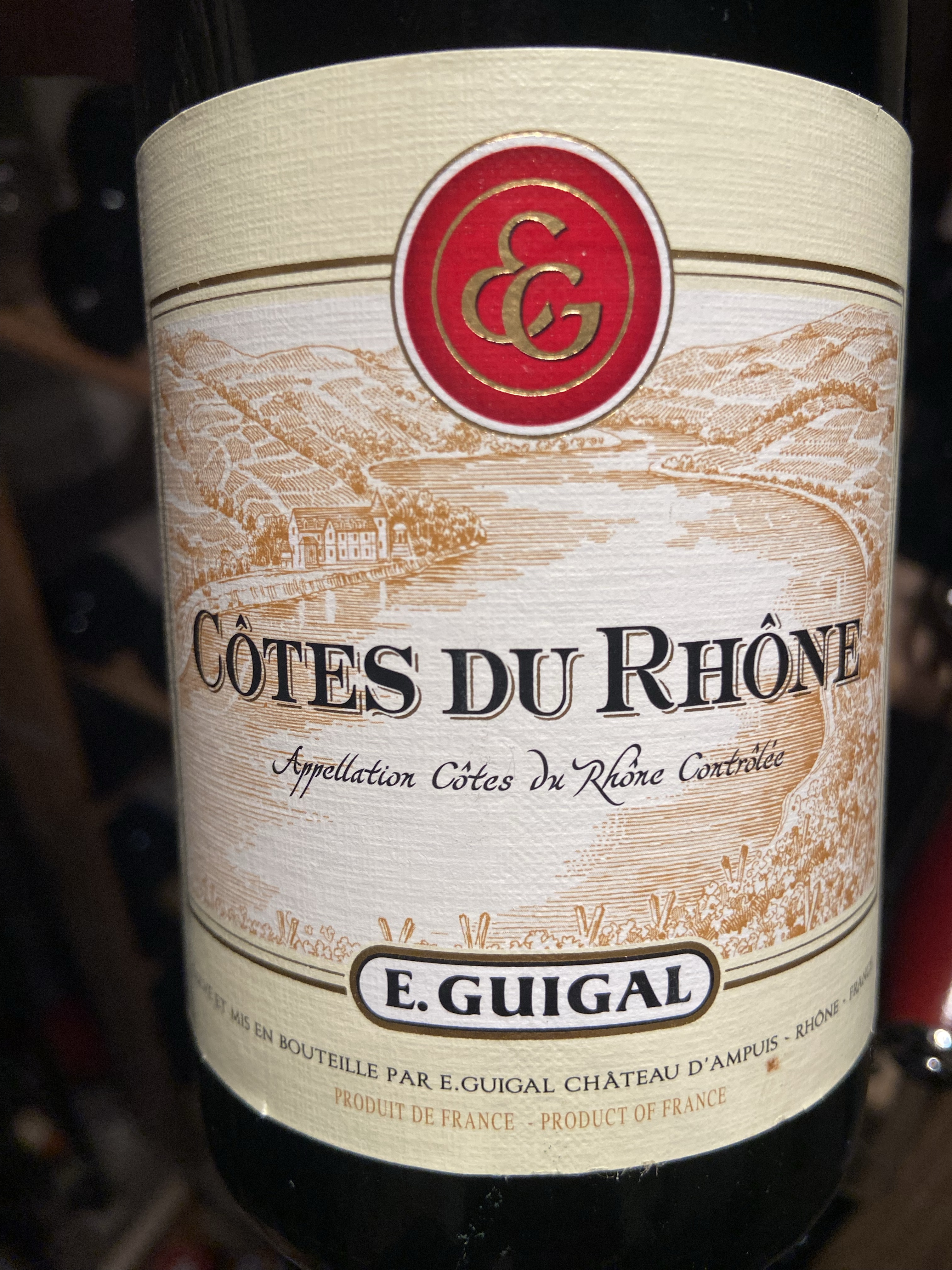
    This wine doesn’t come from just anyone: the E. Guigal house! As you’ll see, this house will be a regular in these posts.

    Fancy a red for the aperitif? To go with a dish, a meat, a quiche, a cheese? It’s my go-anywhere wine; it accompanies all my little preparations, eyes closed.

    E. Guigal’s Côtes du Rhône is a blend of several grape varieties, including Syrah, Grenache and Mourvèdre.

    A dark but very balanced robe; right from the start the spices come and tickle your nose. This lovely wine makes eyes at you and invites you to taste.

    On the palate, as on the nose, the spices are quickly present but soon make way for a second aroma of red fruit — though they don’t go far, because through the length they’ll come back to remind you they’re there.

    At a price under €10, this wine is a classic you absolutely must own.

  • E. Guigal Propels Saint-Joseph Among the Greatest

    E. Guigal Propels Saint-Joseph Among the Greatest

    “Saint-Joseph is one of the finest jewels of the Rhône vineyard, a powerful and generous wine that expresses the richness of its terroir with great finesse.” – Robert Parker

    The Guigal house is one of the most famous and respected producers in the Rhône Valley, in France. Founded in 1946 by Etienne Guigal, the house is today run by his son, Marcel Guigal, and his grandson, Philippe Guigal.

    The Guigal house produces a wide variety of Rhône Valley wines, from whites to reds, taking in rosés. Its vineyards are located in the most prestigious appellations of the Rhône Valley, notably Côte-Rôtie, Hermitage, Saint-Joseph, Crozes-Hermitage, Condrieu and Châteauneuf-du-Pape.

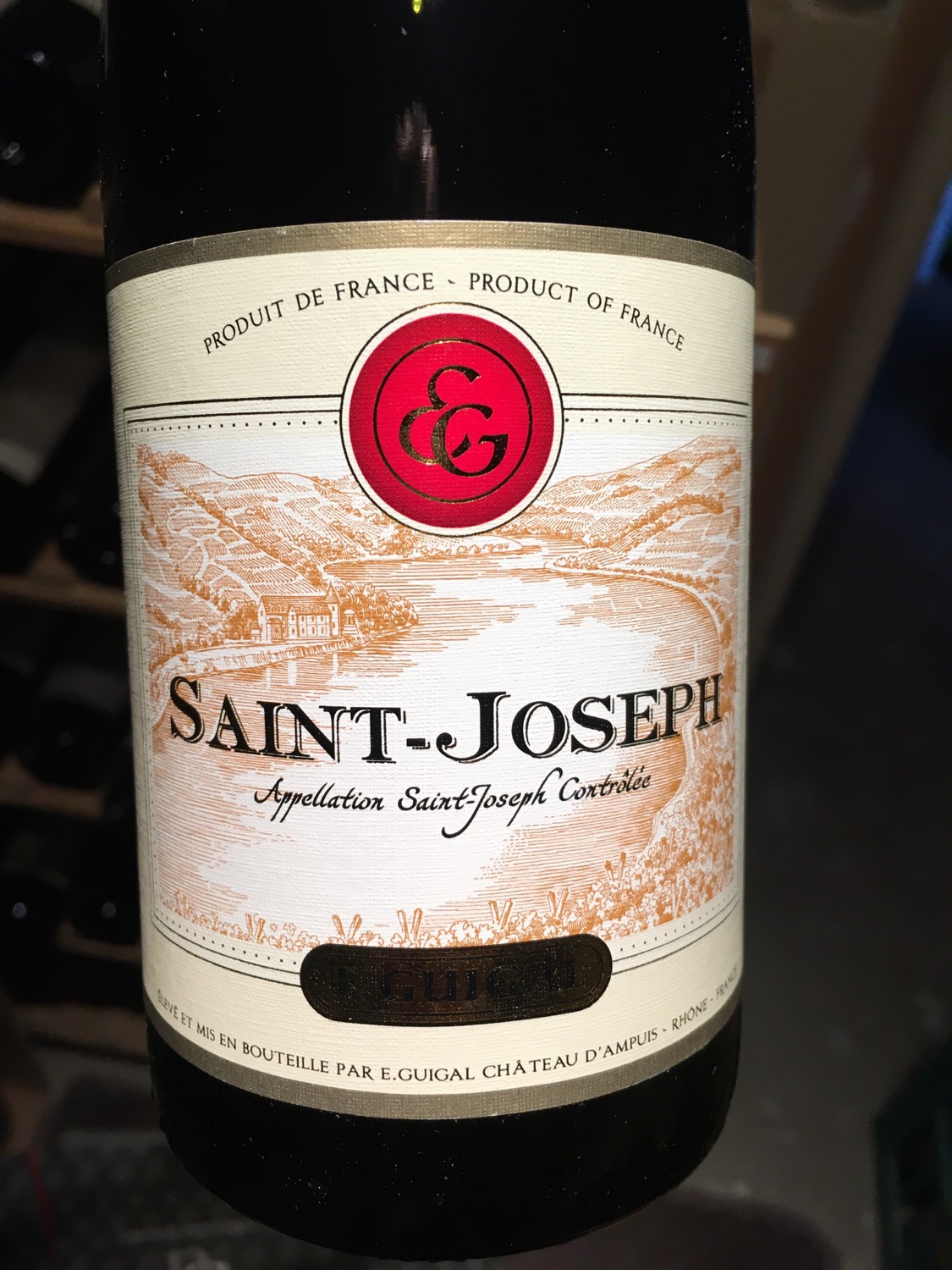
    Today I’ve decided to tell you about the Saint-Joseph. But I’ll certainly tell you about many others, because this house is exceptional.

    This Guigal is special because it was one of the first “Saint-Josephs” I had the chance to taste. Why is it so special? Certainly because that day I was surrounded by my loved ones around a good table. It took no more than that for it to stay etched in my memory forever.

    I often say it to those who join me: “the best of wines is the one I drink with you”!

    Off we go to the tasting

    It’s produced from Syrah grapes and is characterised by its aromas of red fruit and spice.

    Its robe is silky and elegant, with a delicate scent.

    On the palate it’s very balanced, with a persistent length, for this 2019 that served as my benchmark. We’re going to let it age a little longer and we’ll see in a few years, but I’m not too worried about the outcome — it will wait for us too.

    And for those who’ve read to the end: no, I haven’t made a mistake — I am indeed talking about the Saint-Joseph Rouge, because it also exists in white, made from Marsanne and Roussanne grapes. I hope to taste it soon and tell you about it.

  • This Pinot Gris Is MAGNIFICENT!

    This Pinot Gris Is MAGNIFICENT!

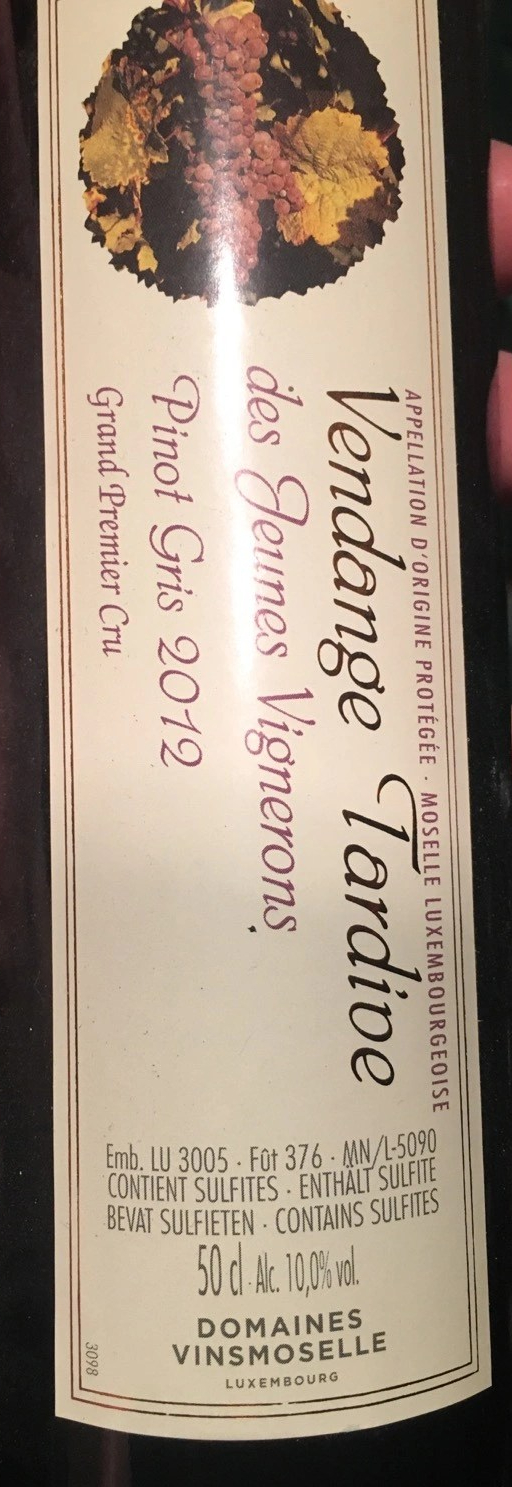
    Domaines Vinsmoselle is a wine producer located on the border between France, Luxembourg and Germany. The estate is on the Luxembourg side of the Moselle. Here we are again near Remich.

    Domaines Vinsmoselle produce a wide variety of wines, from dry white to full-bodied red, taking in sparkling and dessert wines. The wines are produced from grapes grown on the steep slopes that line the Moselle river. The region’s unique terroir, characterised by slate-rich soils and optimal sun exposure, gives the wines a distinctive and complex character.

    I’m always amazed by the richness of their catalogue: with some 200 winegrowers tending the vine along the Moselle between Wasserbillig and Schengen — on almost two-thirds of Luxembourg’s arable land — this cooperative is the Grand Duchy’s largest producer of wine and crémant.

    The estate also offers guided tours of its cellars and vineyards, as well as wine tastings. You can learn more about the winemaking techniques used by the estate, and about the history of the Moselle wine region. Book here.

    On to the tasting

    What struck me about this wine was, above all, the first look. With this slender, elongated 50 cl bottle, the estate wants to impress us and assert its elegance. We’re dealing with an exceptional nectar, and we’re being told so.

    The Pinot Gris Vendanges Tardives has a deep, brilliant golden robe; its colour is extraordinary, the gold shining a thousand lights.

    With an intense, complex nose of honey and spice, you could smell it for hours; with that robe I didn’t want to deprive the glass of contents of such beauty.

    On the palate, the wine is rich and round, with a perceptible sweetness well balanced by a lively acidity that brings lovely freshness. At a price of around €25 for 50 cl of this brew, every drop counts.