WineAndTech’

Author: Jean-Sébastien LASSERE

  • Discovering Saint-Émilion with Château Franc La Rose

    Discovering Saint-Émilion with Château Franc La Rose

    “The wine of Saint-Émilion is a symbol of French excellence, a wine that embodies tradition and innovation, passion and patience.” – François Hollande

    Jean-Louis Frouinard bought the estate in 2006, with the aim of producing a wine of great quality while respecting the environment and the traditions of the Saint-Émilion region.

    Château Franc La Rose uses around 70% Cabernet Franc and 30% Merlot. The wine is vinified in stainless-steel vats before being aged in French oak barrels for 12 months.


    On the nose, it gives off a lovely woody blackcurrant.

    On the palate, the wood is ample and dominant, but I personally very much enjoyed the balance that emerges. The red fruits aren’t, to my mind, quite so omnipresent — contrary to what I’ve read elsewhere.

    The mark left by this wine is nonetheless subtle and lightly pronounced; then, as if to remind you that it’s a lord of Saint-Émilion, a little touch of acidity comes along to wake up your palate.

    You will have to wait, though, for it to express itself a little more — you can feel it’s holding back. Keep it in the cellar and let your patience be rewarded by this lovely cru.

    At around €20, this wine offers interesting value for money. It’s one of my favourites — I love this wine.

    Note: The label is particularly well crafted, with roses highlighting the wine’s name. I love it…
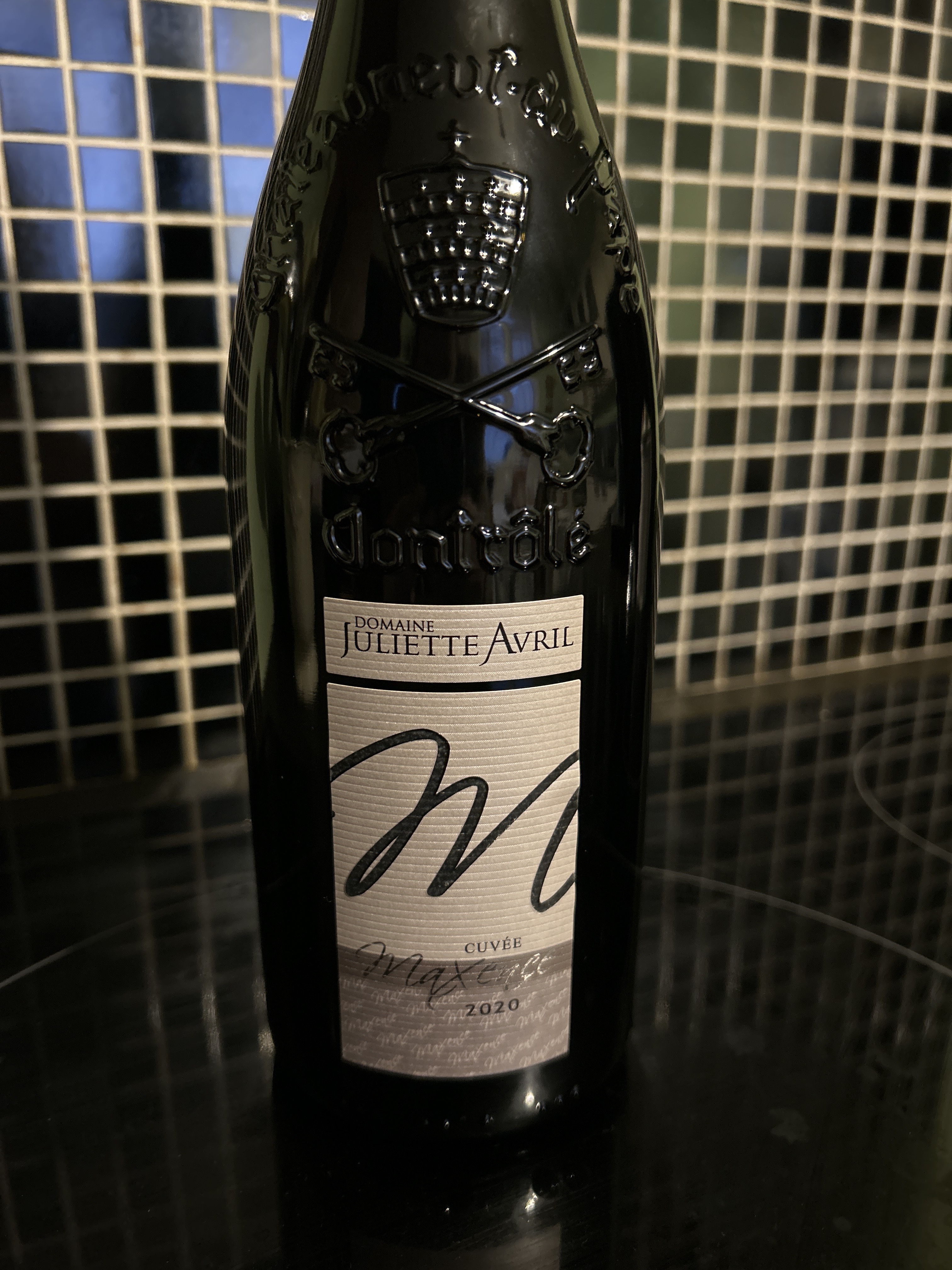
  • A Beautiful Region and Exceptional Wines: Châteauneuf-du-Pape

    A Beautiful Region and Exceptional Wines: Châteauneuf-du-Pape

    “Châteauneuf-du-Pape is an eternal wine, one that can be enjoyed from its youth but which gains depth and complexity with age.” – Robert M. Parker Jr.

    Domaine Juliette Avril is a family estate covering around 22 hectares of vines, set on the rolled-pebble soils typical of the region. The vineyard is farmed sustainably and the harvest is picked by hand.

    The estate produces a range of red and white wines, but its main production is its red Châteauneuf-du-Pape. This wine is made from a blend of Grenache, Syrah and Mourvèdre, aged in oak barrels for 12 to 18 months.

    How about we move on to the tasting:

    A spicy, light nose with lovely leathery scents; discreetly, red fruit comes through and makes itself known.
    On the palate it’s soft, but it gradually builds to let a touch of acidity appear at the end of the journey.
    The wood is present and ample.
    Through the length it’s light — I’m a little disappointed on that point.
    This wine is good, pleasant, but it will need more time. This 2020 is without doubt one to keep.

  • The Moselle Impresses

    The Moselle Impresses

    “The wines of the Moselle, on the slopes around Metz, have this quality of being light and leaving a subtle taste on the palate.” – Didier Van Cauwelaert

    Château de Vaux – Les Hautes-Bassières

    I don’t know whether it’s since I started taking the time to break wines down, but here’s one I’m not about to forget.

    A Pinot Noir from the Moselle! Put like that, you might well think: yeah, OK, so what?

    This wine will make you forget every preconception about Pinot Noir, and even more so about the wines of the Moselle.

    On the nose it will already have you doubting! An impressively woody nose for a Pinot Noir, and the subtle spices will already tell you that this wine wasn’t thrown together in a hurry!

    On the palate it’s powerful, and the Pinot Noir only appears in a second wave.

    The spices, the wood — I’m astounded by the taste of this wine. I can’t make out the other aromas beyond the wood; it’s ample and wraps around the whole palate.

    On the finish it’s quick, and that isn’t its strong point — but the rest more than makes up for that slight lapse. We’ve just been reminded that we have a Pinot Noir in the glass!

    Since 2013, Château de Vaux has produced wines with organic and biodynamic certification. Rest assured, this wine is good, very good — don’t let the label worry you, quite the opposite.

    Château de Vaux is a wine estate located in the Moselle region of France, near the city of Metz. It’s renowned for the quality of its wines, notably its whites from the Auxerrois variety and its reds made from Pinot Noir and Gamay.

    The estate covers 13 hectares, planted on steep, south-east-facing slopes that enjoy optimal sunshine for ripening the grapes. The vines are farmed with respect for the environment and biodiversity, with particular attention paid to the quality of the fruit.

    The Château de Vaux estate is also a place to visit, where you can discover the vines and the cellars, as well as taste the estate’s wines: https://chateaudevaux.com

  • Savoie: Skiing, Snow and Wine…

    Savoie: Skiing, Snow and Wine…

    “Apremont is a wine that breathes the mountain and tastes of altitude.” – Nicolas Gonin

    Apremont wines are made from the Jacquère grape, which has been grown in the mountains of Savoie for centuries. The Apremont vineyards sit on steep slopes, at an average altitude of 450 metres, and enjoy a cool, dry climate.

    Apremont wines are known for their freshness and lightness, as well as for their floral and fruity aromas, such as apple, pear and lime. On the palate they are generally dry and mineral, with a lively acidity and flinty flavours.

    Philippe Viallet’s white wines are particularly renowned. They’re made from local varieties such as Jacquère and Altesse, grown on steep slopes in the mountains of Savoie. These whites are fresh, light and mineral, with aromas of white fruit and flowers.

    For this 2021, a robe of mineral clarity; I make out aromas of pear. Highly pleasant and lightly spiced, we’ll taste it with pleasure.

    On the palate this wine is light and the fruit is subtle. At 11.5 degrees and with a touch of chill, it’s agreeable, and it followed me right through the meal — after the main course, it delighted us with its company alongside the cheese.

    Apremont wines offer exceptional value for money; to go without them is sacrilege.

  • Metz and Its Little Hideaways…

    Metz and Its Little Hideaways…

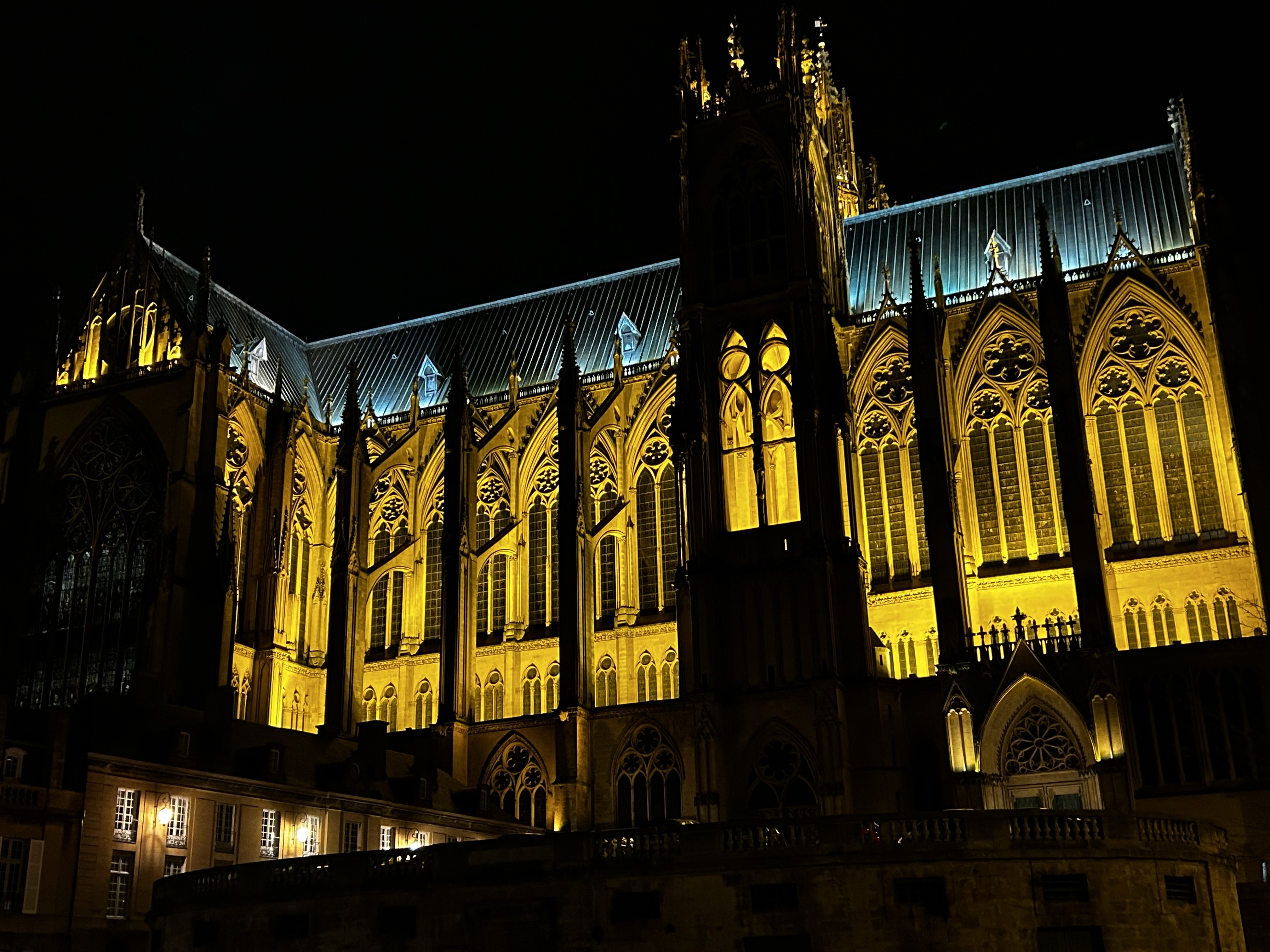
    “Metz is a city that has known many wars, but which has also known moments of peace and great prosperity. It is a city rich in history and culture.” – François Hollande, former President of the French Republic.

    For St Patrick’s Day 2023, we decided to celebrate in our own way and head to a wine bar, “La Quille”, on Place de Chambre.

    Intimate and refined in its decor, we were warmly welcomed, and I recommend the place:

    We were sensible, and I let myself be tempted by a wine from Chinon.

    The estate is located in the village of Cravant-les-Coteaux, around 8 kilometres south-west of the town of Chinon. It covers about 12 hectares of vineyards, all on the left bank of the Vienne, the region’s main river. The vines are planted on clay-limestone soils and farmed using environmentally friendly methods.

    The owner explains that he selects his wines for their commitment to the environment. The wines of Domaine Fabrice Gasnier are renowned for their elegance, their freshness and their finesse.

    Let’s pair it with a little something to nibble on and see what happens!

    This wine is beautiful and very pleasant. Oh, it’s no Beaujolais — but I make out an aroma of banana!

    It announces a quick, light wine; I’m worried, and then experience puts me back on track! Don’t judge by appearances! And indeed, this wine turns out to be a real treat. Thanks La Quille for this lovely discovery…

  • Power Can Sometimes Be Disconcerting…

    Power Can Sometimes Be Disconcerting…

    “The wines of Rioja Alta are refined wines, with a great tannic structure and a persistent finish.” – Wine Spectator

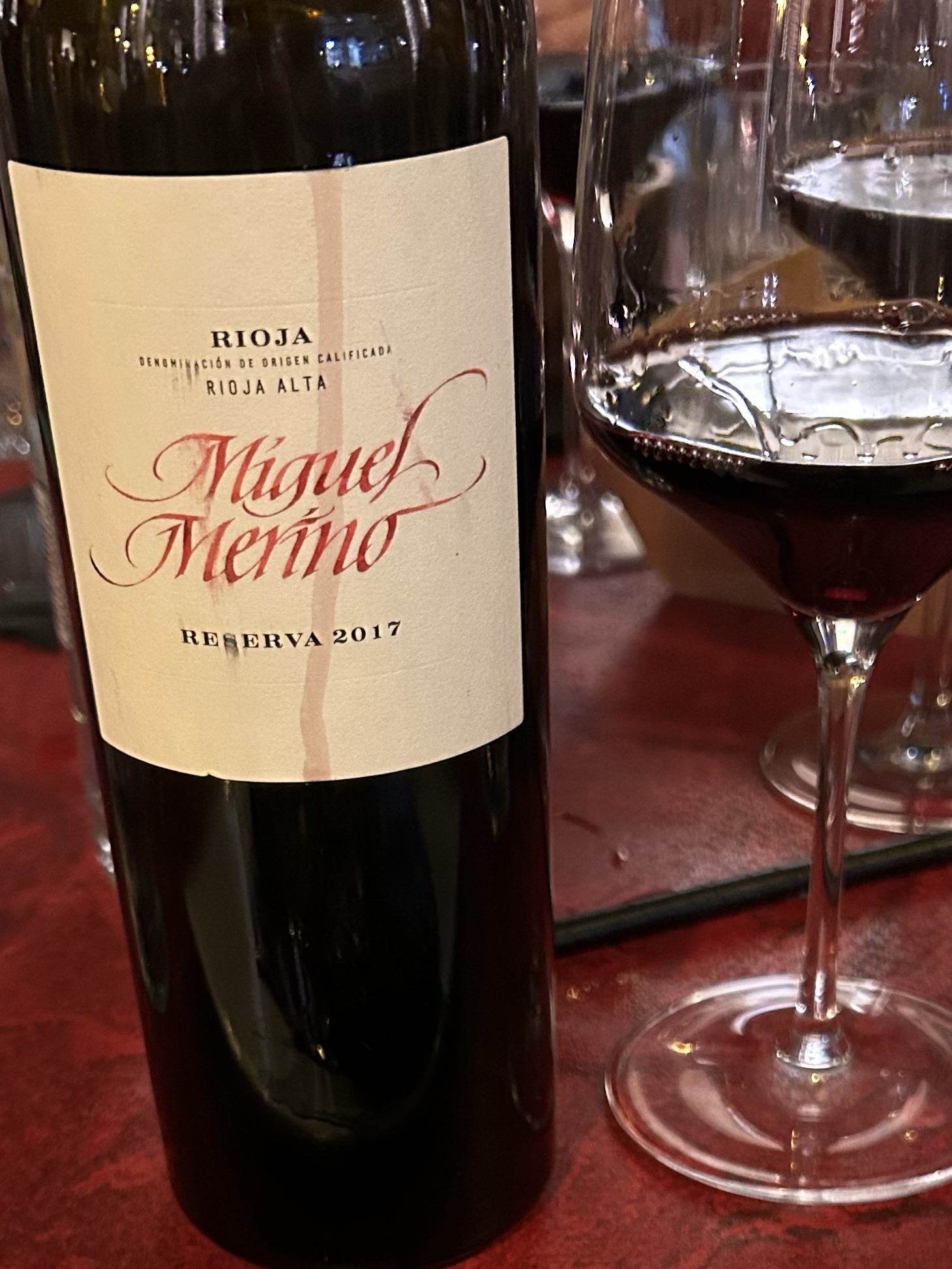
    Miguel Merino – Reserva 2017 El Barrio Luxembourg

    A pleasant place, an excellent meal, and then comes the choice of wine: one of my friends picks a Spanish one, which delights me.

    A Rioja — more precisely, a Rioja Alta.

    The Miguel Merino estate was founded in 1994 and is located in the village of Briones. The vineyard covers around 25 hectares and is planted mainly with Tempranillo, with a few plots of Graciano and Viura for the white wines.

    Miguel Merino’s red wines are crafted with care and aged in French and American oak barrels for periods of up to 24 months.

    Let’s taste this wine!

    The nose is woody and spicy, on aromas of tobacco. It doesn’t reveal itself easily and I struggle to make out anything else. I’m expecting powerful tannins.

    This 2017 is out of the ordinary, disconcerting — I lose my palate over it, I can’t break this wine down, and I have to admit I’m lost. It’s a strong wine that will, I think, leave you as it left me: particularly frustrated, lost in its complexity.

    Miguel Merino has won! He’s won the bet of making a wine that’s good, powerful, and that will teach you a fine lesson in humility.

    At under 30 euros, you’ll need to give it a fine plate of meat to do justice to that balance. A wonderful discovery!

  • Chardonnay, a Love Story…

    Chardonnay, a Love Story…

    “Chardonnay is like love: it can be soft and tender, or rich and powerful, but it is always exciting.” – James Halliday

    I can’t help loving this grape variety… Chardonnay

    They’re beautiful and always surprising, with a lovely robe that’s never the same twice. This is a declaration of love: I adore these white wines. But why?

    Might a woman be behind all this? It’s true that when you read certain reviews, you sometimes wonder whether the author is talking about a wine or about a woman.

    Wine is often compared to a woman, for its sophistication, its beauty. Just like a woman, wine can be elegant, refined and subtle, with delicate aromas and flavours that gradually reveal their richness and depth — a unique and fascinating personality, with infinite nuances and variations that testify to its complexity and its character.

    If I brought her the taste for wine, my wife has, without any doubt, made me love white wines and Chardonnays in particular. Those little moments together tasting these wines always remain special and intimate.

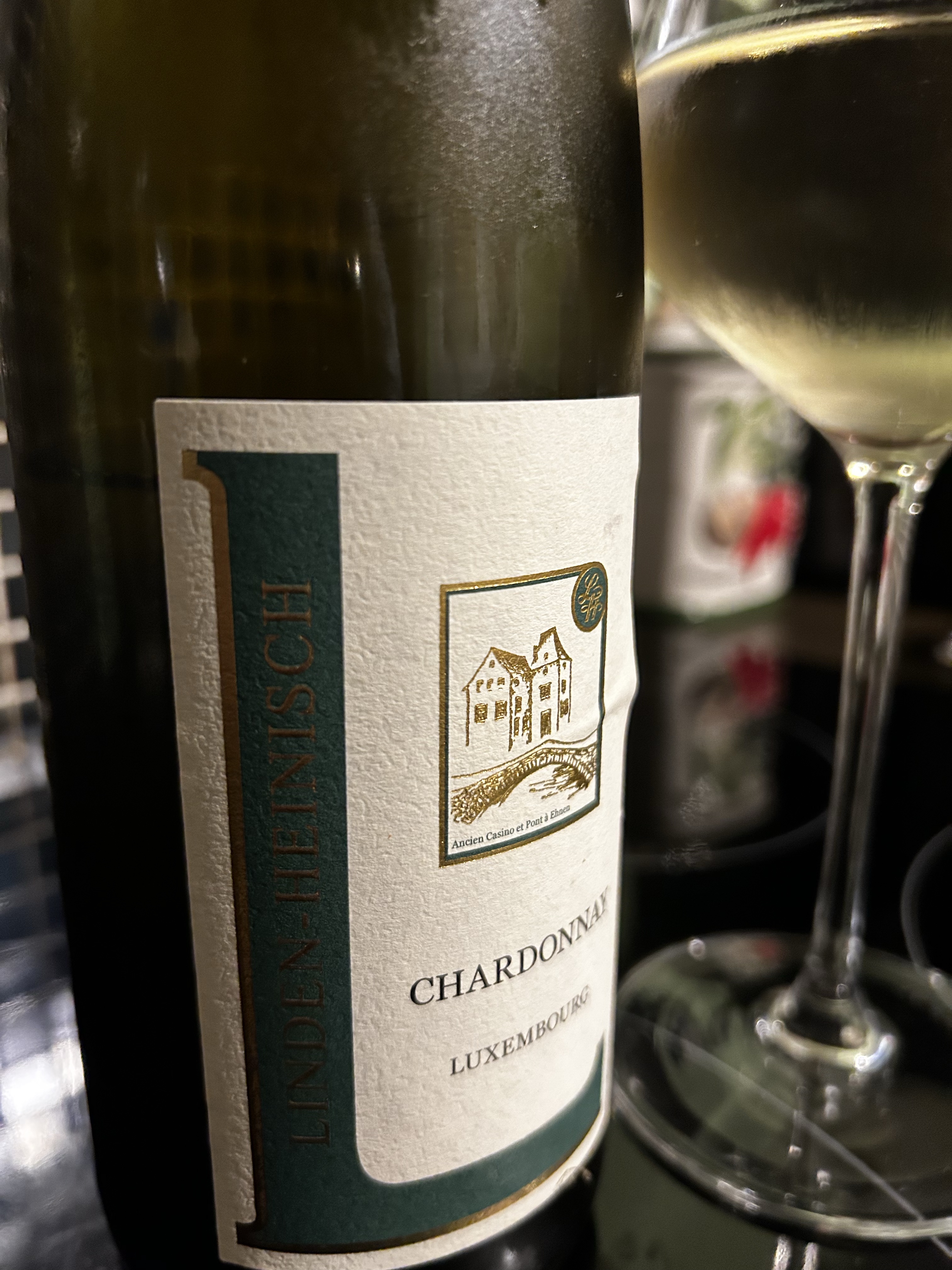
    Now that we’ve talked about love, let’s go and taste this wine:

    A pale, mineral robe; it’s very pure and discreet.

    A nose scented with orange zest and citrus; I make out a little walnut, but I’m not sure — I hesitate.

    With a touch of chill, its scent is undeniably in lovely balance — so pleasant that I stayed several minutes without drinking it, just enjoying the sensation.

    On the palate, that walnut — I really can’t dismiss it; the sensation comes back and my palate reminds me not to forget it. But naturally it goes and hides just behind that wood which comes to wrap the whole thing.

    Through the length it lingers as a lovely suspended moment, and it’s true you don’t want it to stop…

  • A Tribute, for “Servio Fideliter”

    A Tribute, for “Servio Fideliter”

    “Château Branas Grand-Poujeaux is an elegant, structured and harmonious wine, combining the richness of ripe fruit with the complexity of woody notes.” – Guide Hachette des Vins

    The motto “Servio Fideliter” of Château Branas Grand-Poujeaux was chosen in reference to the property’s history. The estate was once owned by the nuns of the order of Saint Vincent de Paul, who founded a school for girls near the château. “Servio Fideliter” was the order’s motto, meaning “I serve faithfully”.

    This motto reflects the property’s commitment to producing wines of superior quality while respecting Bordeaux traditions, all the while bringing forward its own style and its unique terroir.

    But why am I telling you about this wine? Quite simply because I had the chance to meet the owner at the time, Jacques. I greatly enjoyed those moments of conversation around wine, and he had a gift for introducing me to appellations I still keep in my cellar today — I owe him the “Loupiac” wines, so beautiful and so good.

    In 2002 the estate became the property of Justin Onclin (also the owner of Villemaurine in Saint-Émilion). In 2020, he acquired Ch. Granins Grand Poujeaux — but that’s another story…

    Nonetheless, in more than 20 years he transformed Branas, and it has become a safe bet in Grand-Poujeaux, among the prestigious “Chasse-Spleen” and “Château Poujeaux”. Branas is therefore continuing its rise…

    Sadly I won’t be telling you about a tasting in this article, because I haven’t dared open the few bottles of Branas and Clos des Demoiselles from the 1998 vintage. I want to keep them in tribute to this gentleman. But there’s no doubt I’ll soon be telling you about a vintage from the Justin Onclin era.

  • Reignac, Quite a Story

    Reignac, Quite a Story

    “Château de Reignac is a wine of great complexity, revealing subtle aromas of red and black fruit, liquorice and spice. On the palate it is ample and structured, with silky tannins and a lovely length on the finish.” – Robert Parker

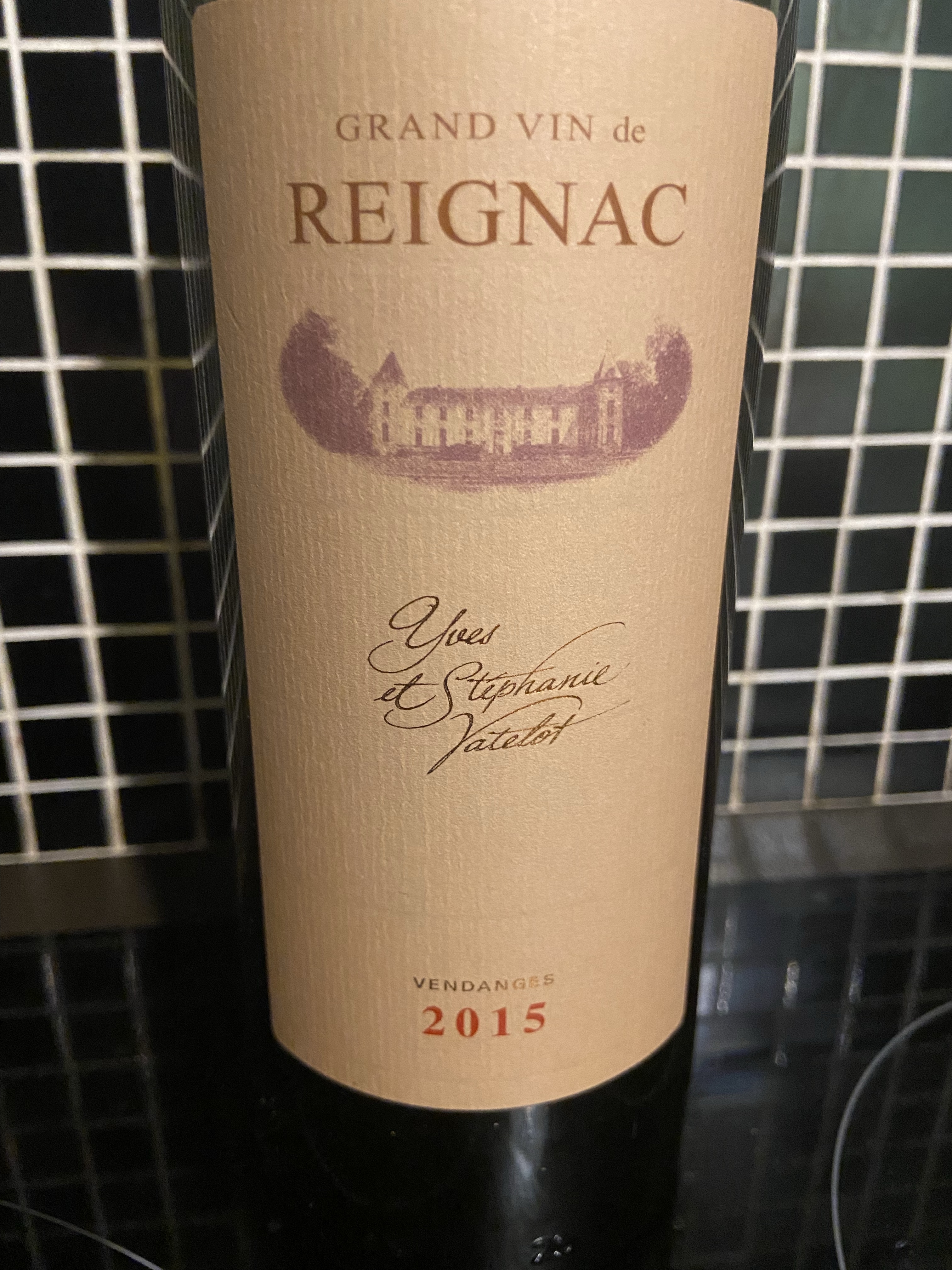
    Château Reignac is a château located in the Bordeaux Supérieur appellation, on the right bank of the Garonne, in the Gironde département of France.

    The Château Reignac estate covers around 200 hectares, of which 65 hectares are vines planted on clay-limestone slopes. The varieties grown are mainly Merlot (75%), Cabernet Sauvignon (20%), Cabernet Franc (3%), with Petit Verdot (2%) completing the blend. The vineyard is farmed using environmentally friendly methods and the production has been certified organic since 2010.

    Château Reignac produces wines of great quality, often compared to grands crus classés.

    One particularly remembers the tasting that caused a stir in 2009:

    The wines are aged in French oak barrels for 12 to 18 months, depending on the vintage. Château Reignac’s reds are renowned for their balance, their aromatic complexity and their ageing potential.

    Château Reignac also has a rich and fascinating history. The present château dates from the 18th century and was built on the ruins of a medieval fortress. The estate was bought in 1990 by Yves Vatelot, who undertook major renovation and modernisation work to restore the château and the vineyard to their full splendour.

    Today, Château Reignac is open to visitors, who can explore the estate, tour the château and taste its wines.

    On to the tasting:

    A dark robe — it makes it clear that the tasting will be an interesting experience and that we should expect a strong wine.

    On the nose it’s an explosion: spice and red fruit come pouring out.

    On the palate the spices are well and truly present and, straight away, the roundness of the aromas floods the palate. The tannins are powerful — the robe and its scent had warned us, after all! There’s no little spike of acidity, which sometimes bothers me; the balance on the palate is all the more controlled, and I have the feeling this point has been worked on with particular care.

    Spices and a characteristic length, all in perfectly mastered balance, undoubtedly make it a great wine. At under €30, this wine will surprise your friends.

  • Rupert & Rothschild Also Means White Chardonnay

    Rupert & Rothschild Also Means White Chardonnay

    “The Rupert and Rothschild Chardonnay is a wine of great elegance, combining the richness of Chardonnay with a lovely acidity, for a harmonious and balanced result.” – Wine Spectator

    The Rupert & Rothschild Baroness Nadine Vintage is indeed a white wine produced from Chardonnay grapes grown in the Western Cape wine region of South Africa. It’s a very elegant white, and that rolled presentation sheet makes for a striking piece of theatre when you open the case.

    It’s aged in French oak barrels for around 10 months, which gives it a unique texture and a long, persistent finish.

    That robe of a mineral yellow, yet lightly brilliant as if to announce its noble origins, is itself very elegant. This robe has had every attention lavished on it — that much is obvious.

    The nose is discreet, balanced. For my part I pick out a touch of hazelnut and walnut in a second wave.

    It’s ample through its length, to which a touch of acidity is added — but the spices discreetly dominate the race and bring the whole thing nicely into balance.

    Characteristic final aromas appear in a subtle blend of vanilla and wood. The oak barrels certainly have something to do with it.

    Personally I love this wine as an aperitif, lightly chilled, but of course it can also accompany seafood in all its forms, or a fine poultry dish.